The Result
BEDiZEN is my own project and my capstone for the CCI Campus Alsace Web UX/UI Designer certification. The site is live.
I created the brand, designed the site in Figma, and wrote the code myself. I built version 1 by hand in HTML and CSS. I started version 2 alone in Tailwind CSS and used AI assistance in VS Code for specific parts only. I also set up the WordPress site and the hosting.
The concept: a WebAR studio that gives small e-commerce businesses virtual try-ons, a feature usually reserved for large retailers.
Visit the Live Site →How I Got There
1 - Brand Identity & Visual Strategy
The brand had to read as tech and still feel approachable. Legibility came before decoration.
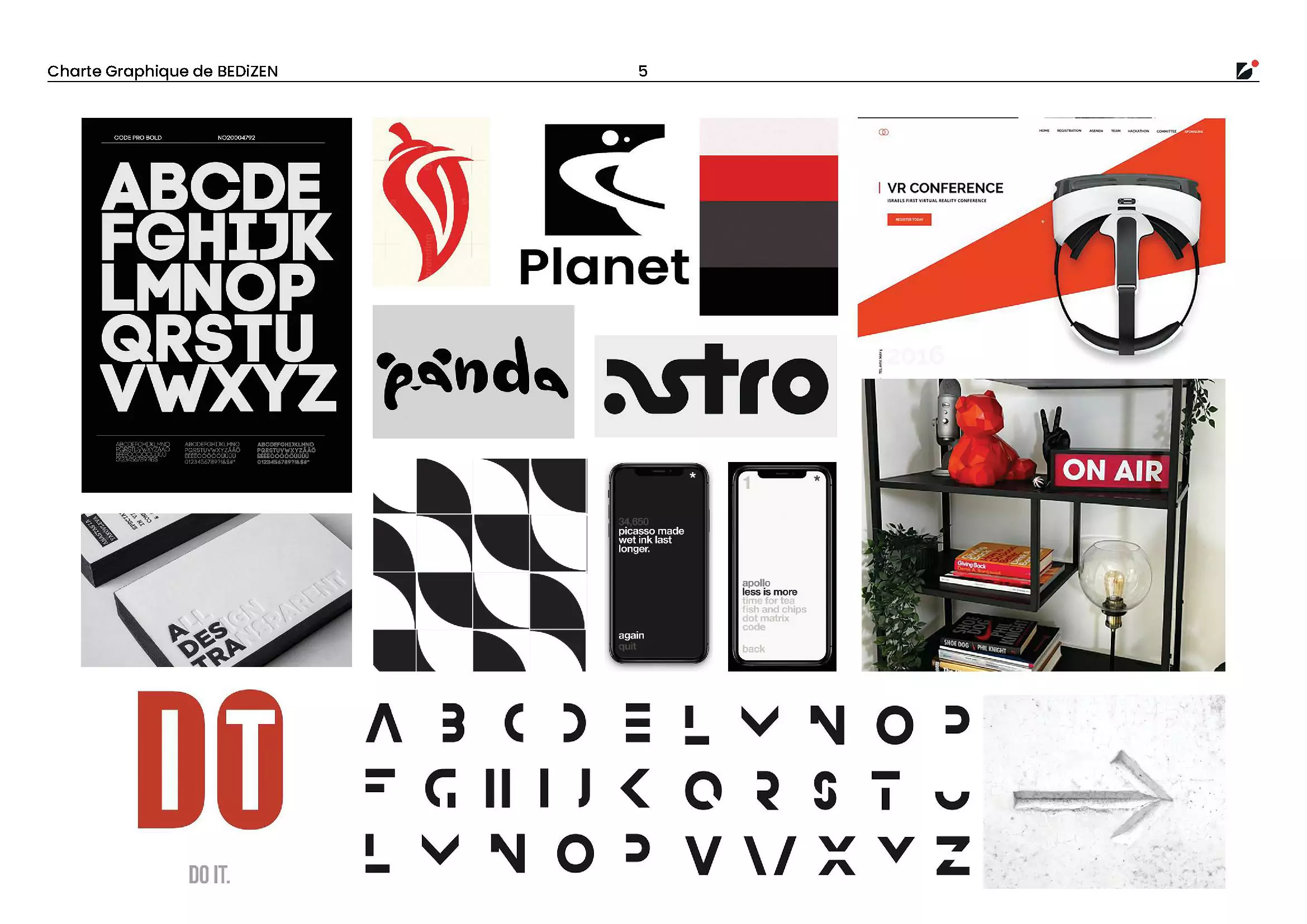
- Market Research: Analyzed how existing AR services communicate innovation to find a position for BEDiZEN: modern, minimal, and easy to understand.
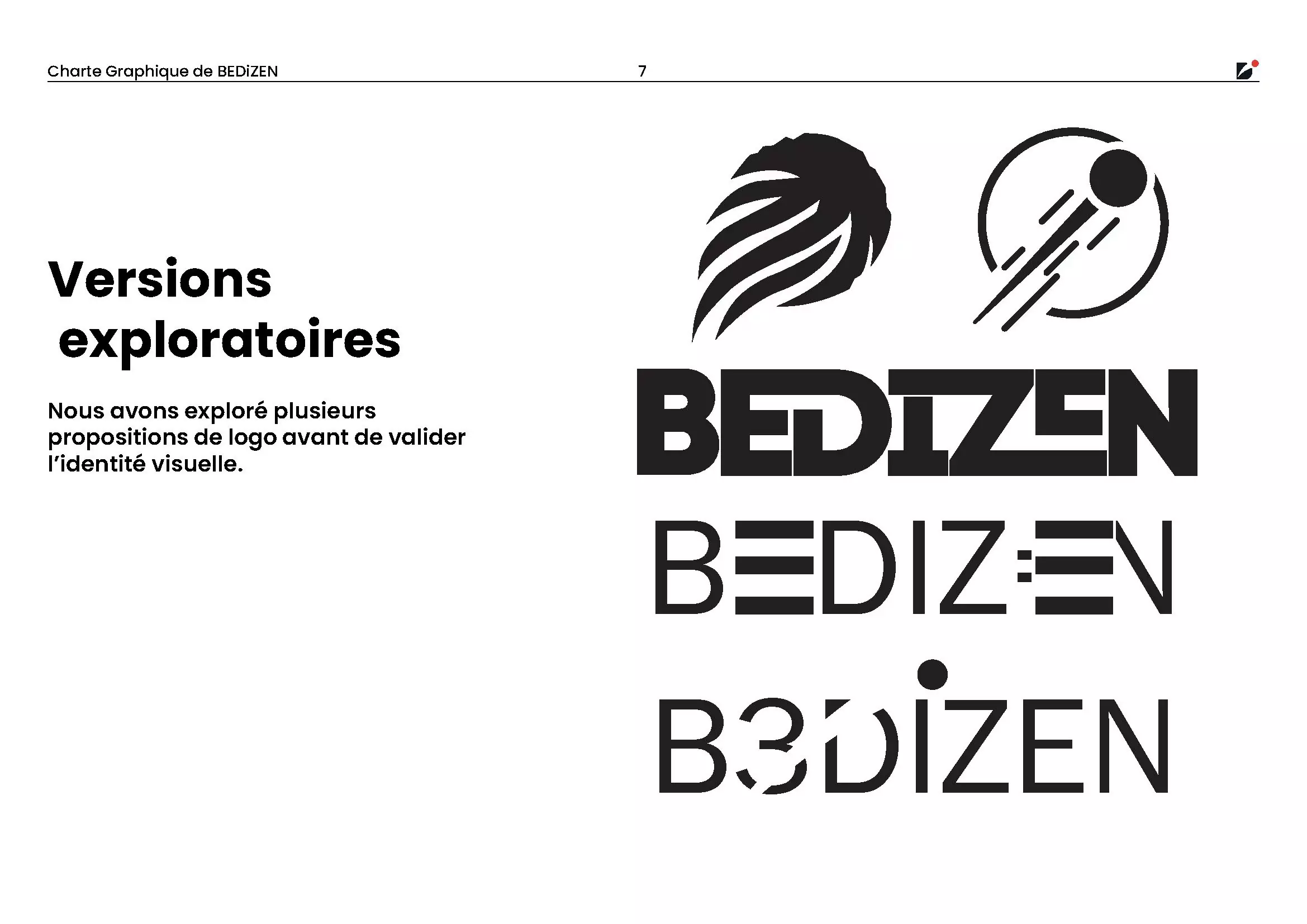
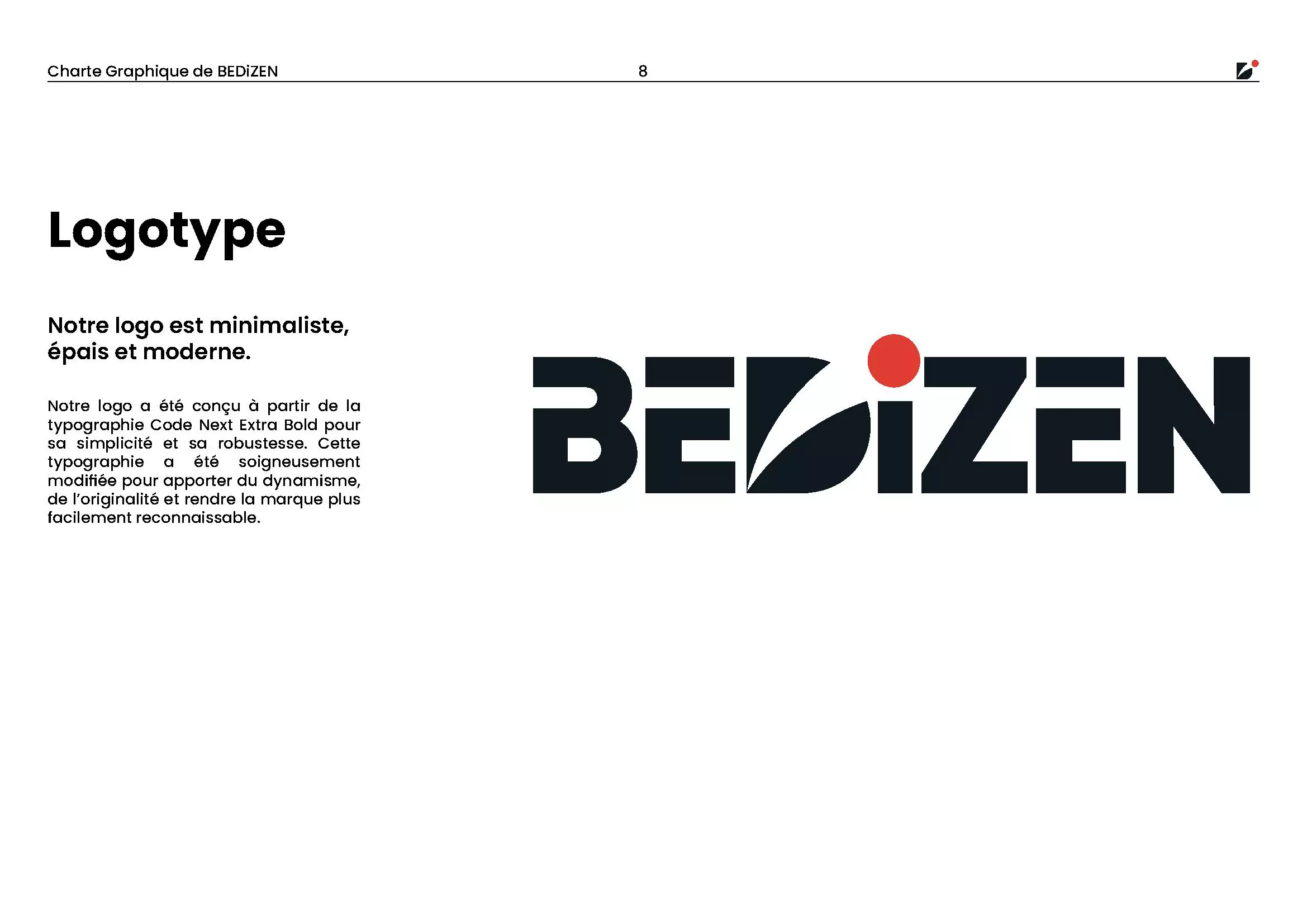
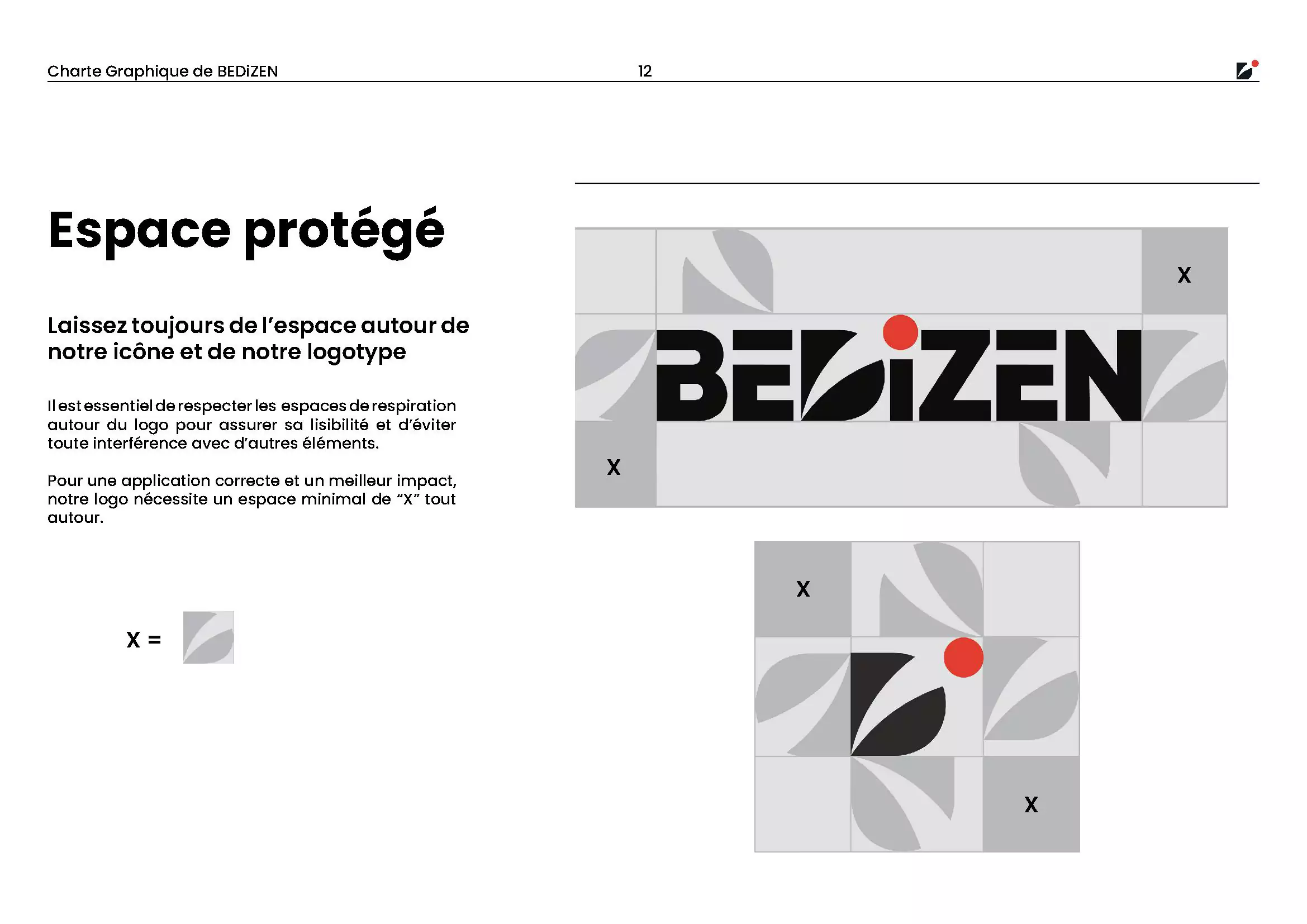
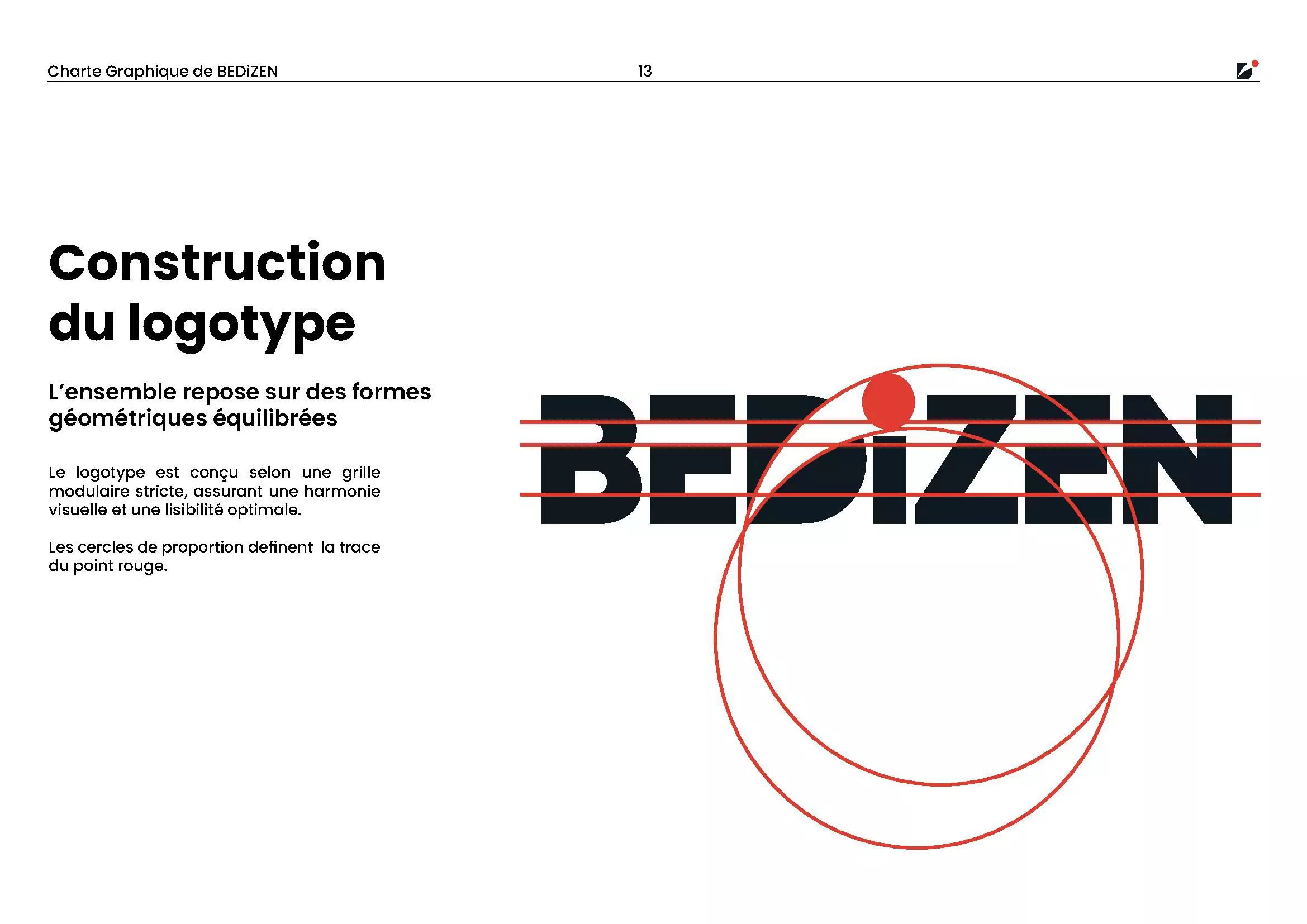
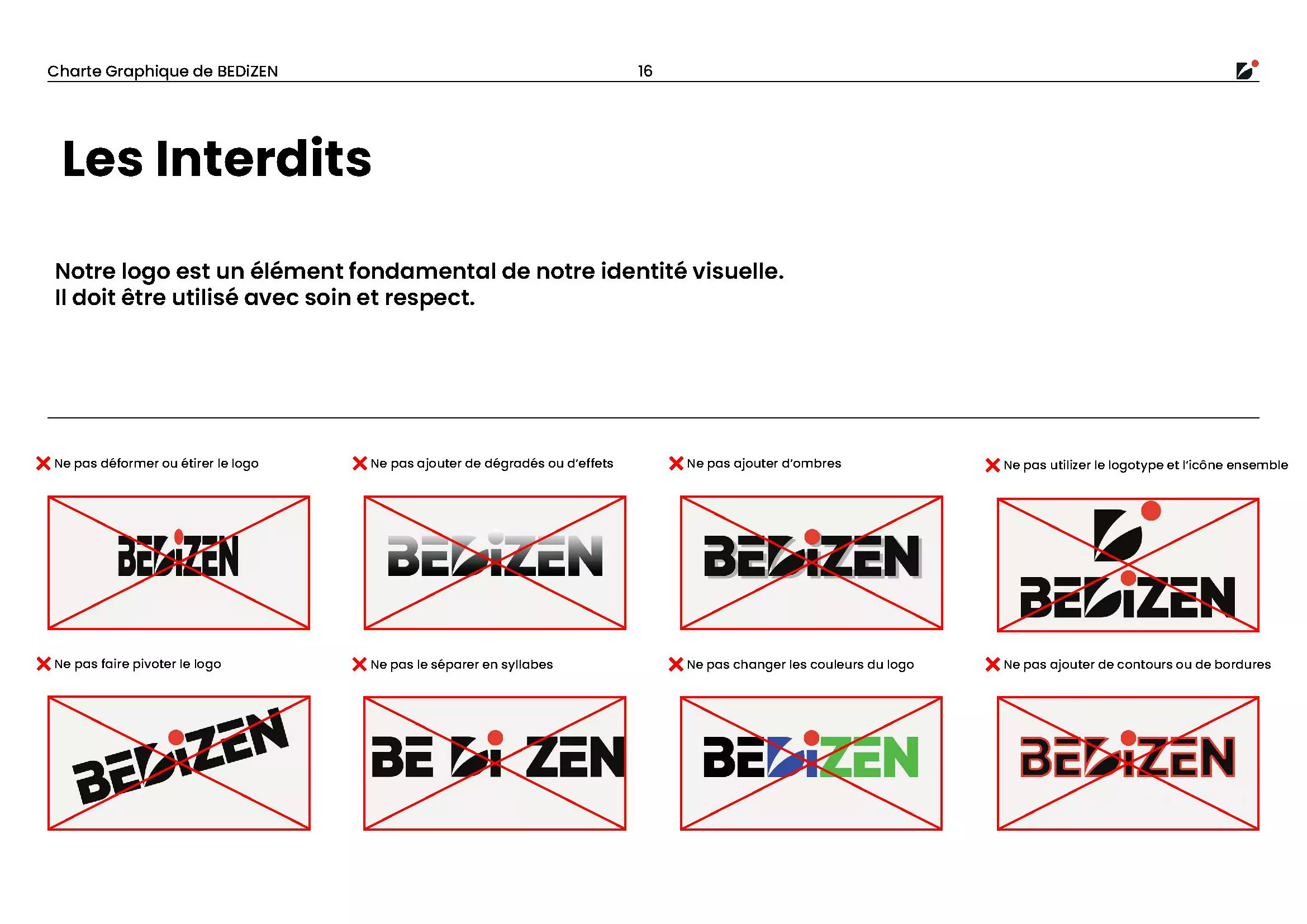
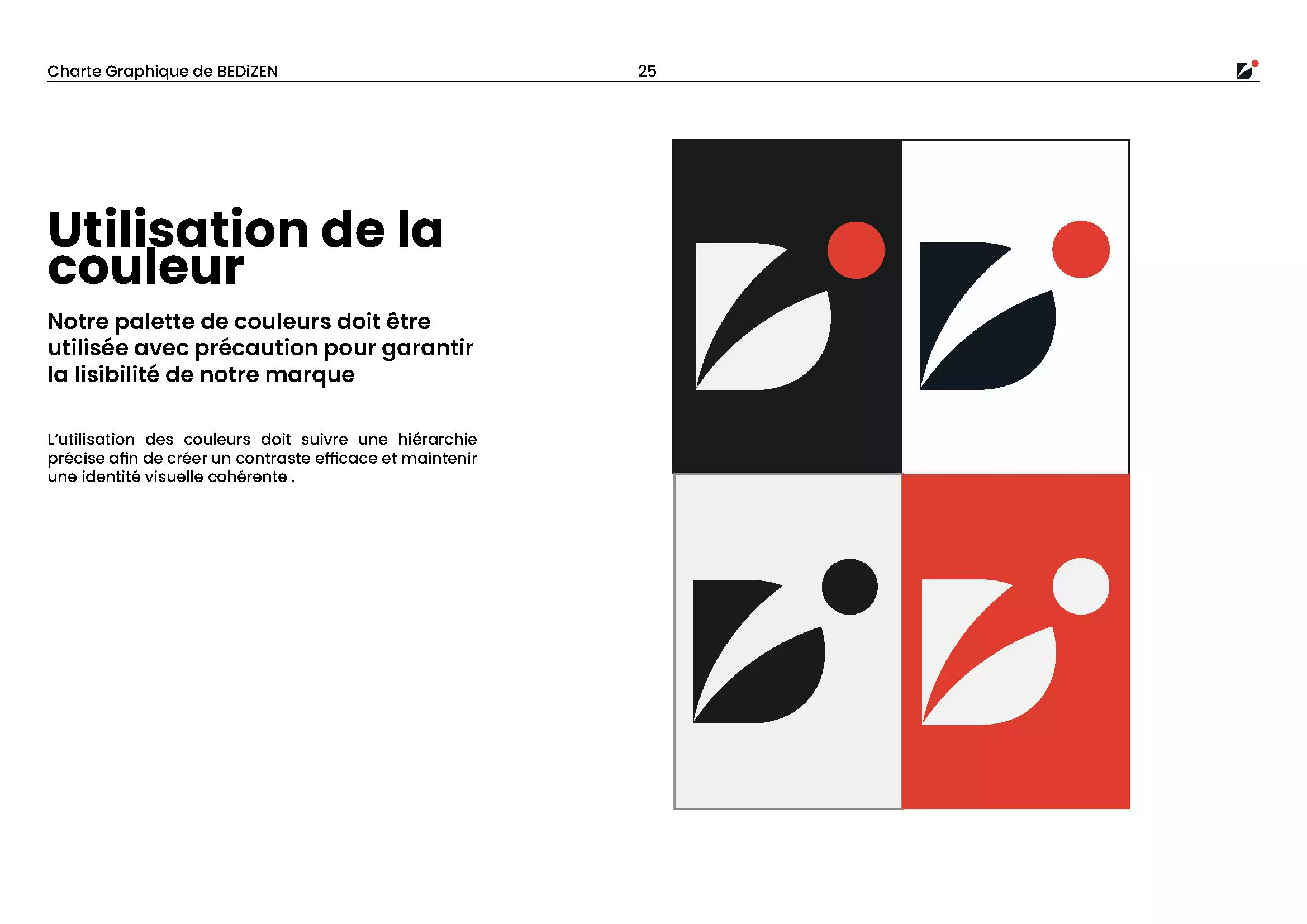
- Logo Design: Built from a customized geometric font, the logo reads as stable and forward-leaning. The red dot on the "i" is the focal point.
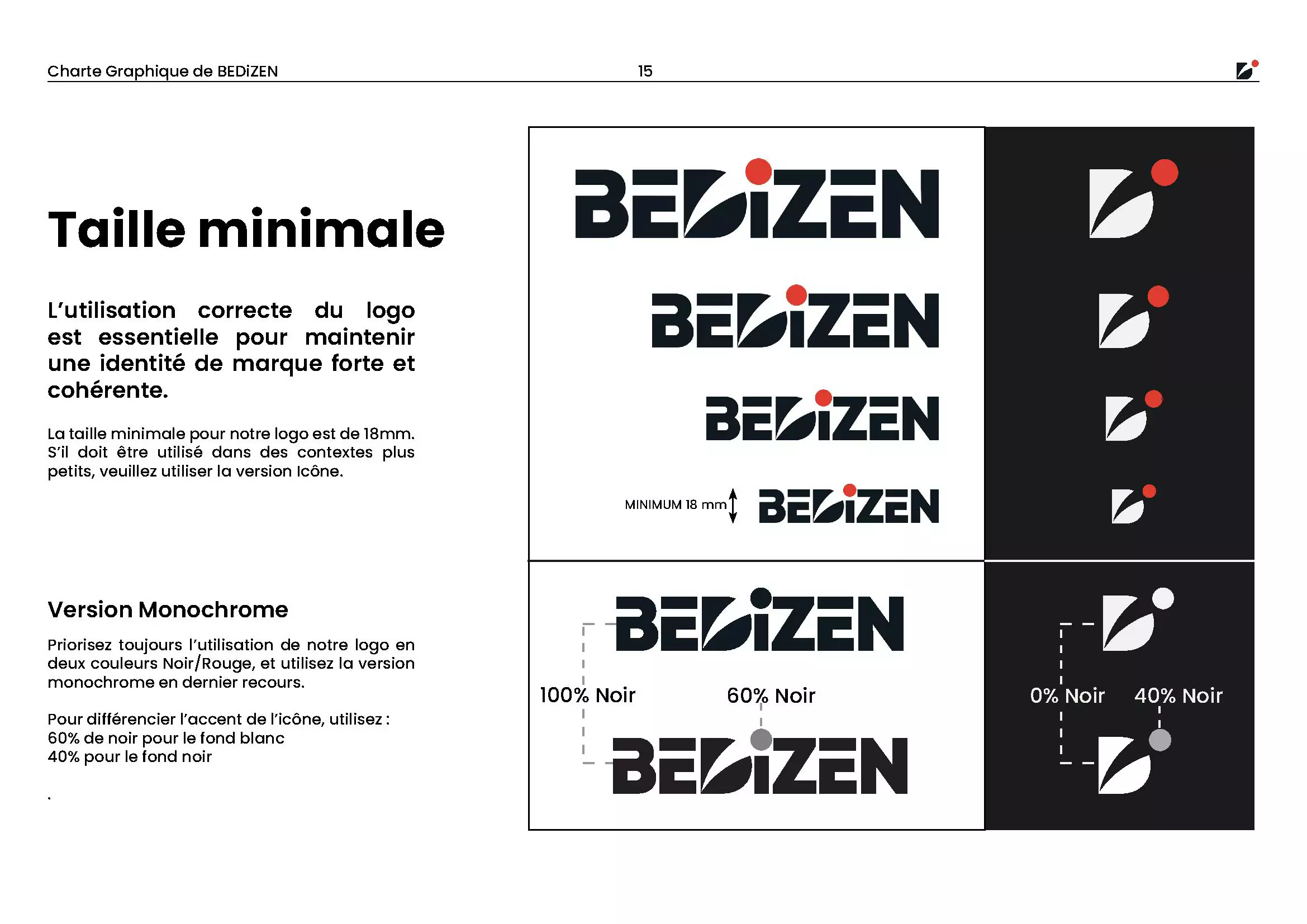
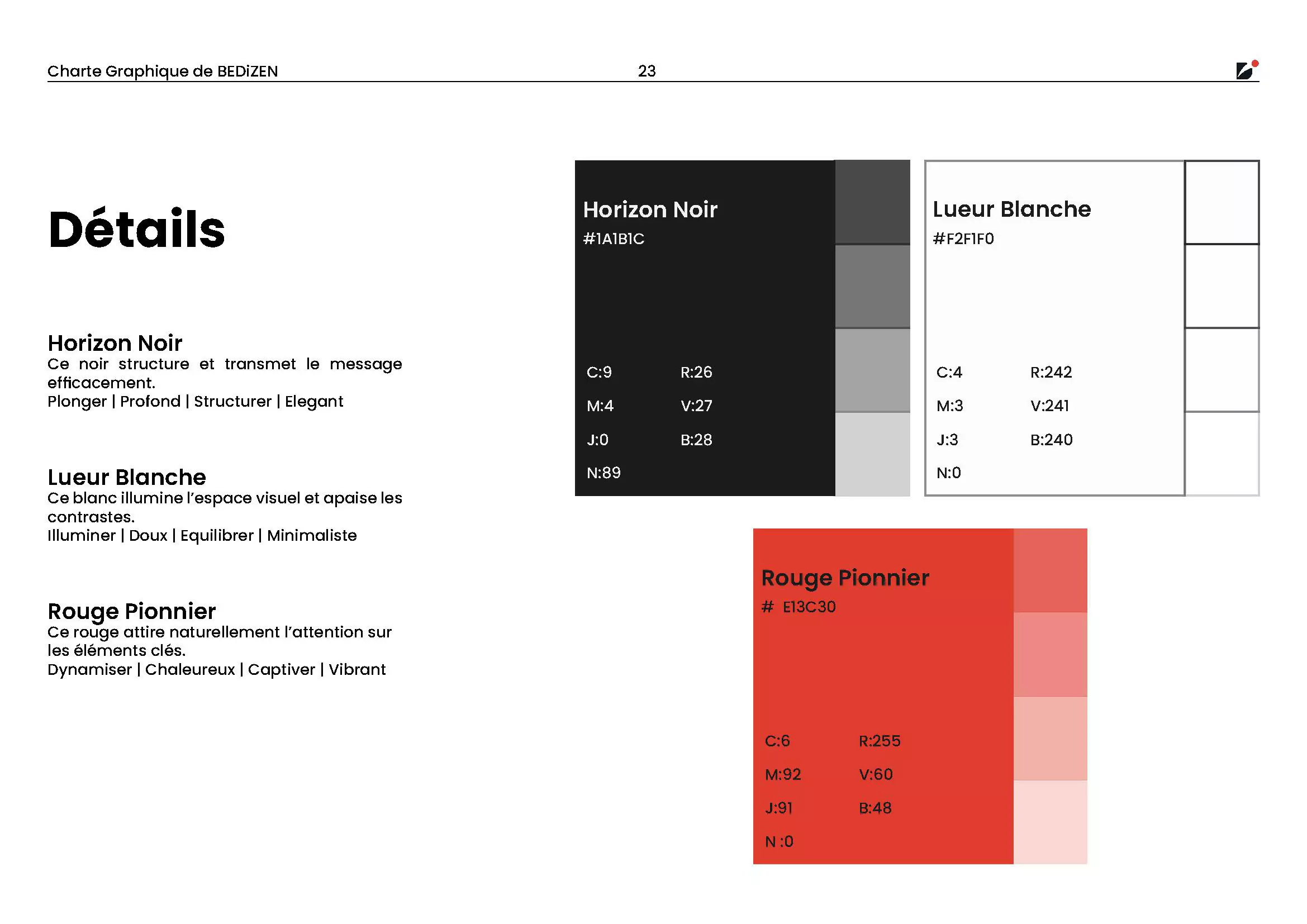
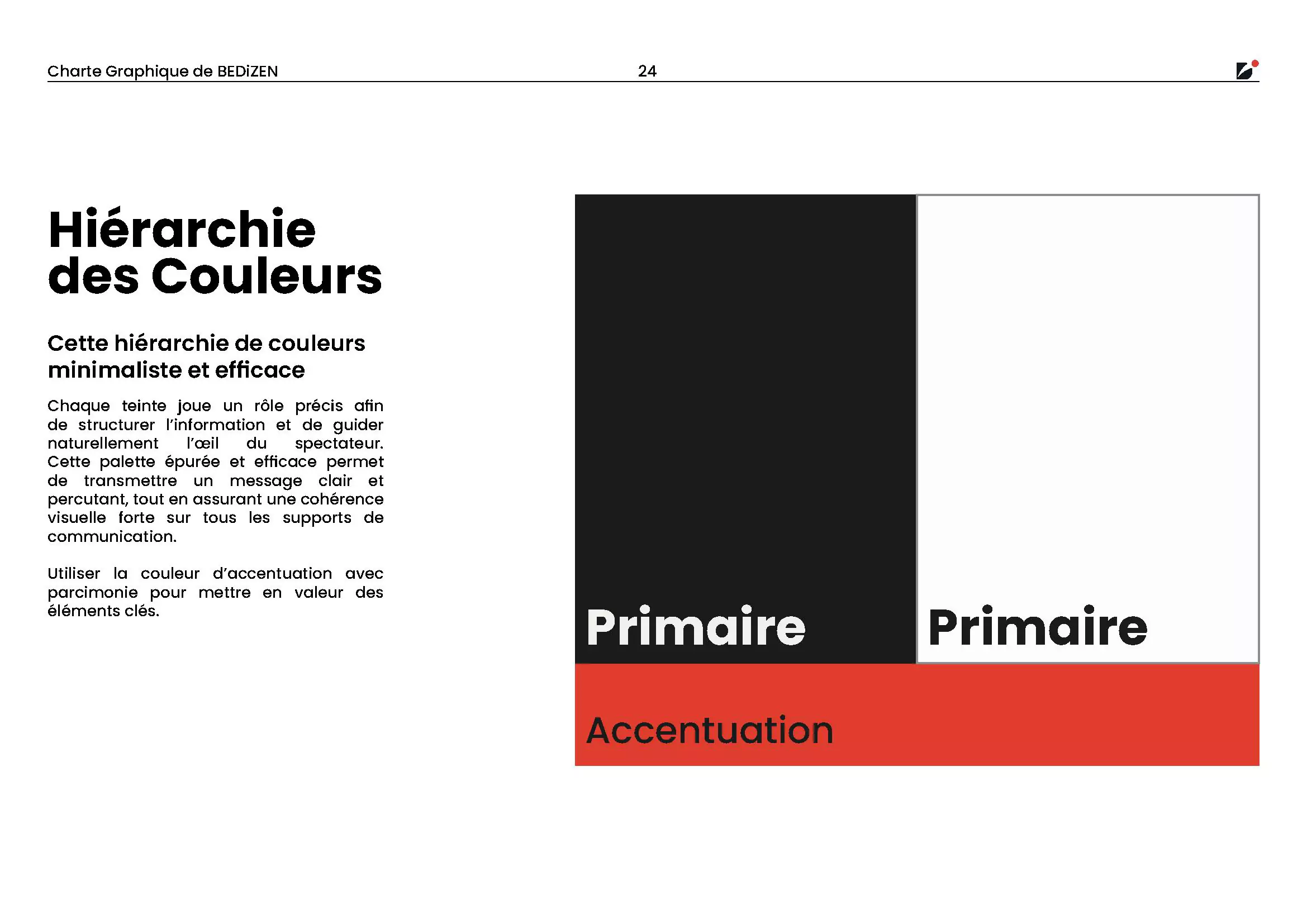
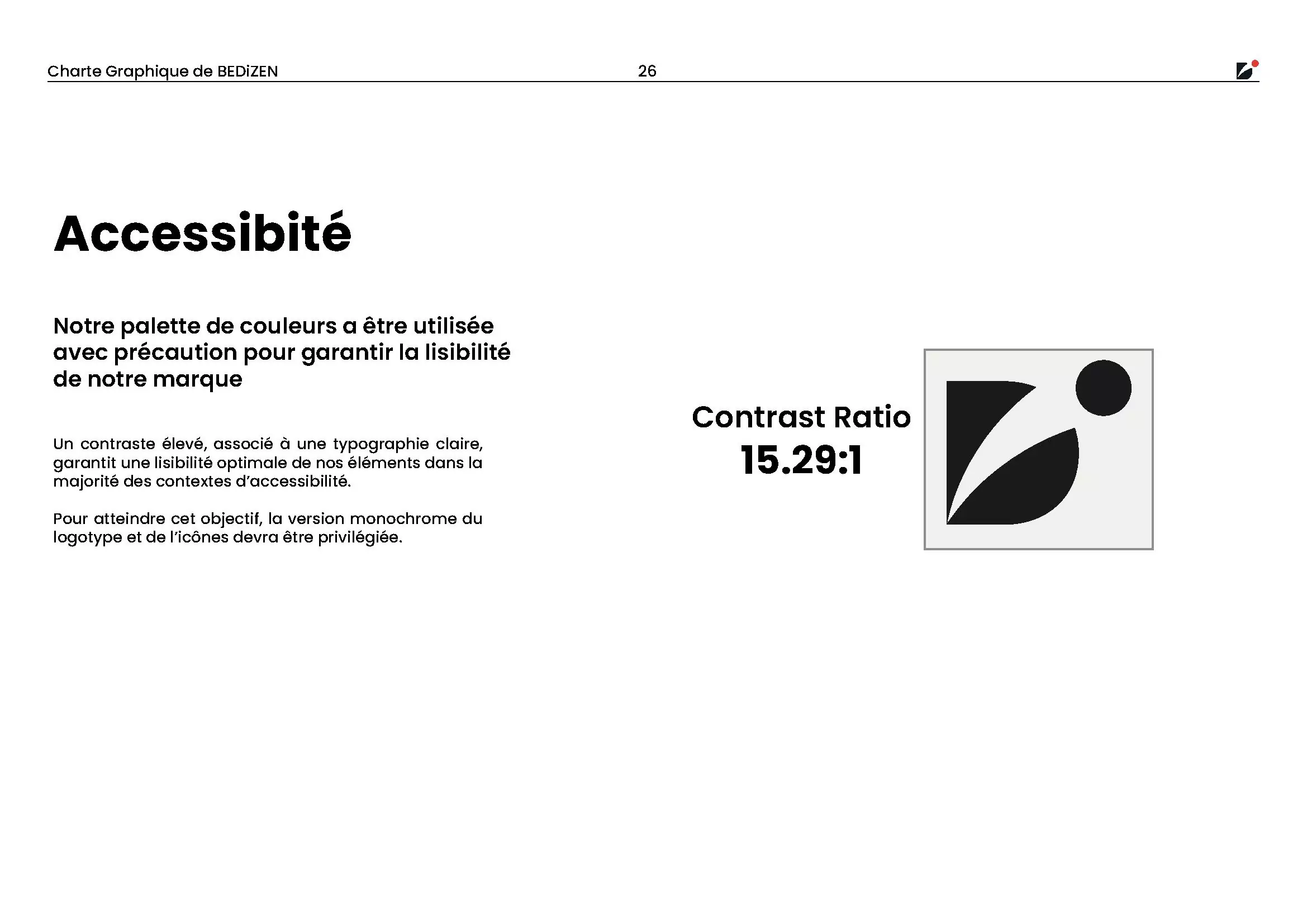
- Color Palette: Dark gray, white, and an accent red, chosen for high contrast and accessibility.
2 - UX Research & UI Prototyping
I designed the full user flow in Figma, from zoning and wireframes to a clickable prototype. The flow walks visitors through the core services (WebAR, 3D modeling) and explains the technology in plain terms.
Usability testing on version 1 found two problems: buttons did not look clickable, and users could not tell where they were on the site. Version 2 fixes both.
Version 1.0: The MVP
Initial Concept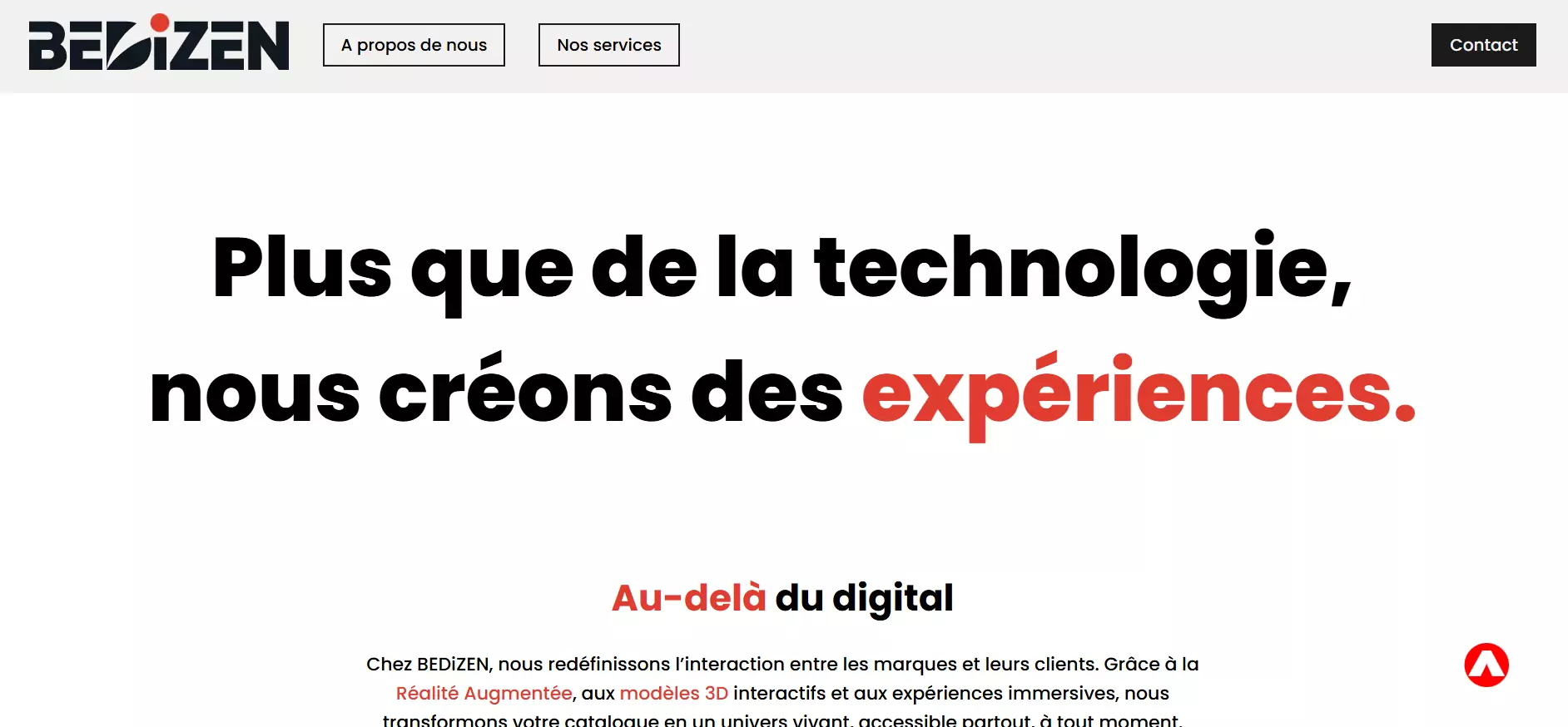
Design Decisions
Prioritized clean aesthetics with large whitespace and minimal navigation.
Usability Issues Found
- Users struggled to identify clickable buttons.
- Difficulty understanding current location within the site.
Version 2.0: Enhanced UX
Current Version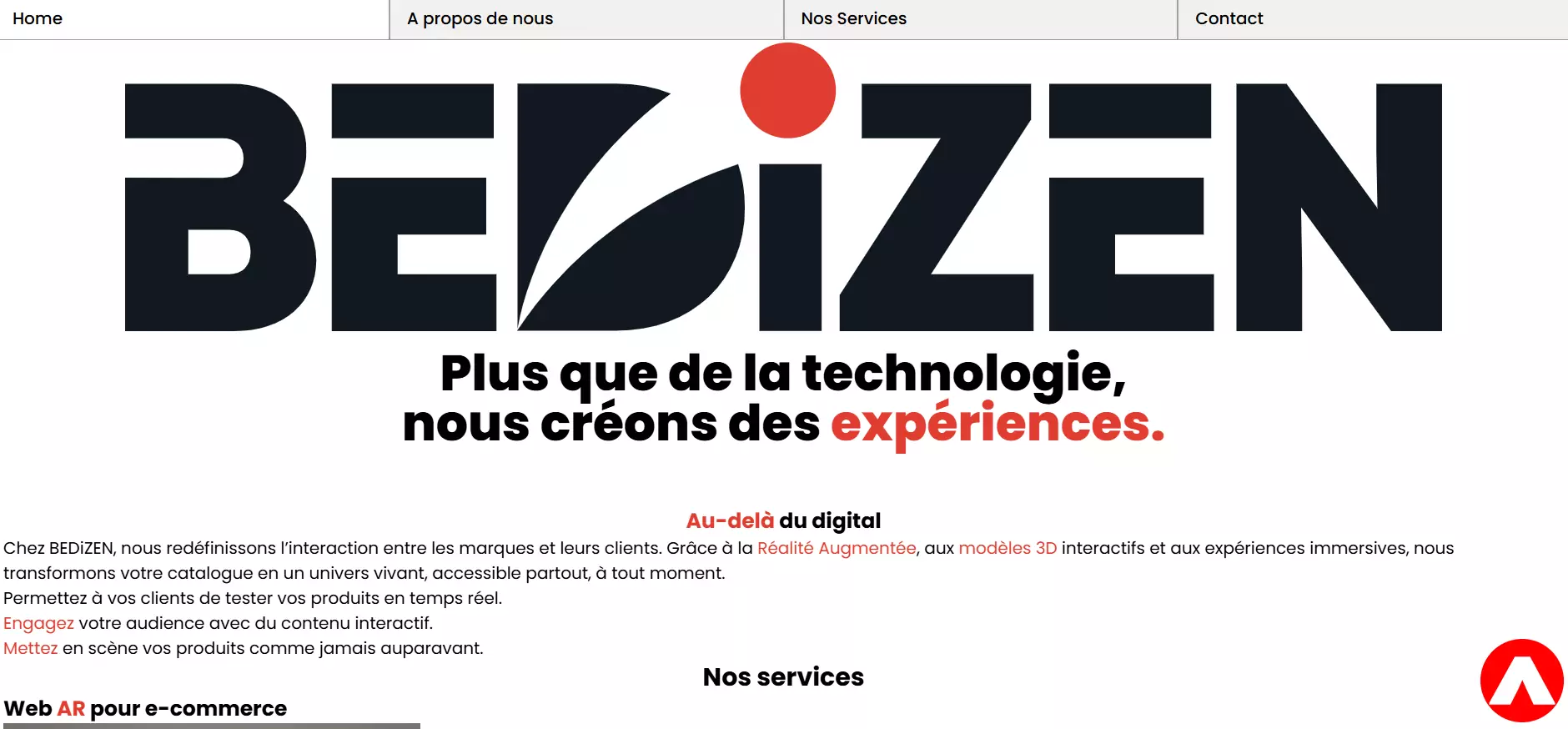
What Changed
I rebuilt the navigation and the front-end in Tailwind CSS, mobile-first. I wrote most of it myself and used AI assistance in VS Code for specific parts.
Key Improvements
- Responsive Design: Mobile-first layout that adapts to every screen size.
- Clear Wayfinding: Active states and breadcrumbs help users always know where they are.
3 - Development
I handled the full stack, from the front-end code to the live server.
- Front-End: I coded it myself. Version 1 in hand-written HTML and CSS. Version 2 in Tailwind CSS and JavaScript, with AI assistance in VS Code for specific parts. Semantic markup, built with accessibility in mind.
- Back-End: I wrote the first PHP by hand. Later I used GitHub Copilot in VS Code to work faster.
- WordPress: I installed WordPress and added plugins for security, SEO, WooCommerce, contact forms, and caching.
- Hosting & Deployment: I set up the hosting on O2switch and edited the server files over FTP with FileZilla. I tuned caching and load speed through the O2switch settings.
4 - Motion & Social Production
I produced two short videos that show the BEDiZEN experience. One is landscape, for YouTube. One is vertical, for Instagram and TikTok feeds.
La Réalité Augmentée native pour l'e-commerce
Landscape format, for YouTube and other horizontal placements.
L'Expérience Try-On en un Clic
De la simple navigation à l'immersion totale : un aperçu vertical pensé pour les réseaux sociaux.
Key Takeaways
- Testing beat taste: Version 1 looked clean in review. Users still could not find the buttons. Testing showed it, and version 2 fixed it.
- Design and code together: Coding my own designs showed me which design choices cost time in development.
- One message, two formats: The same product story had to work in a landscape video and a vertical one.
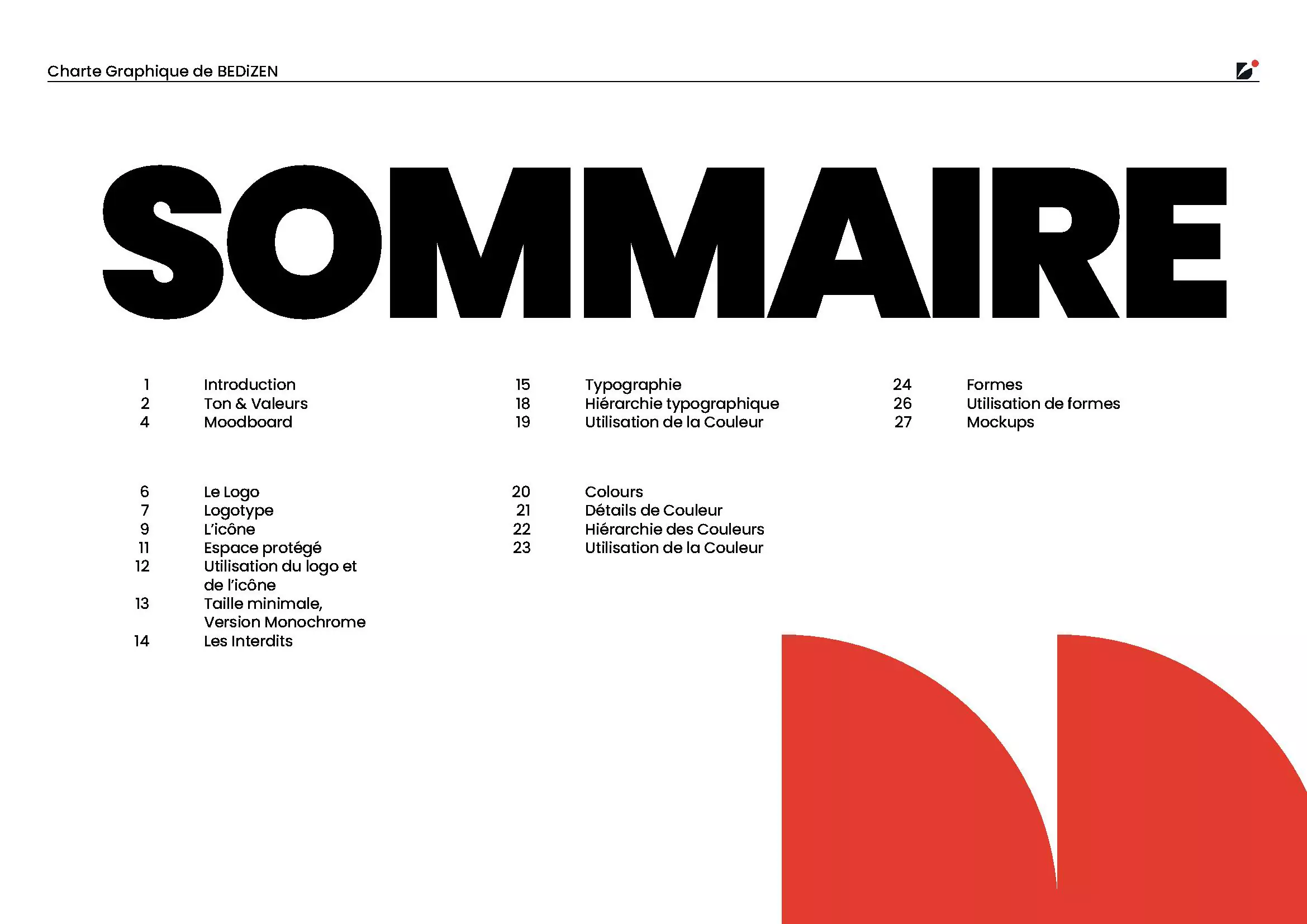
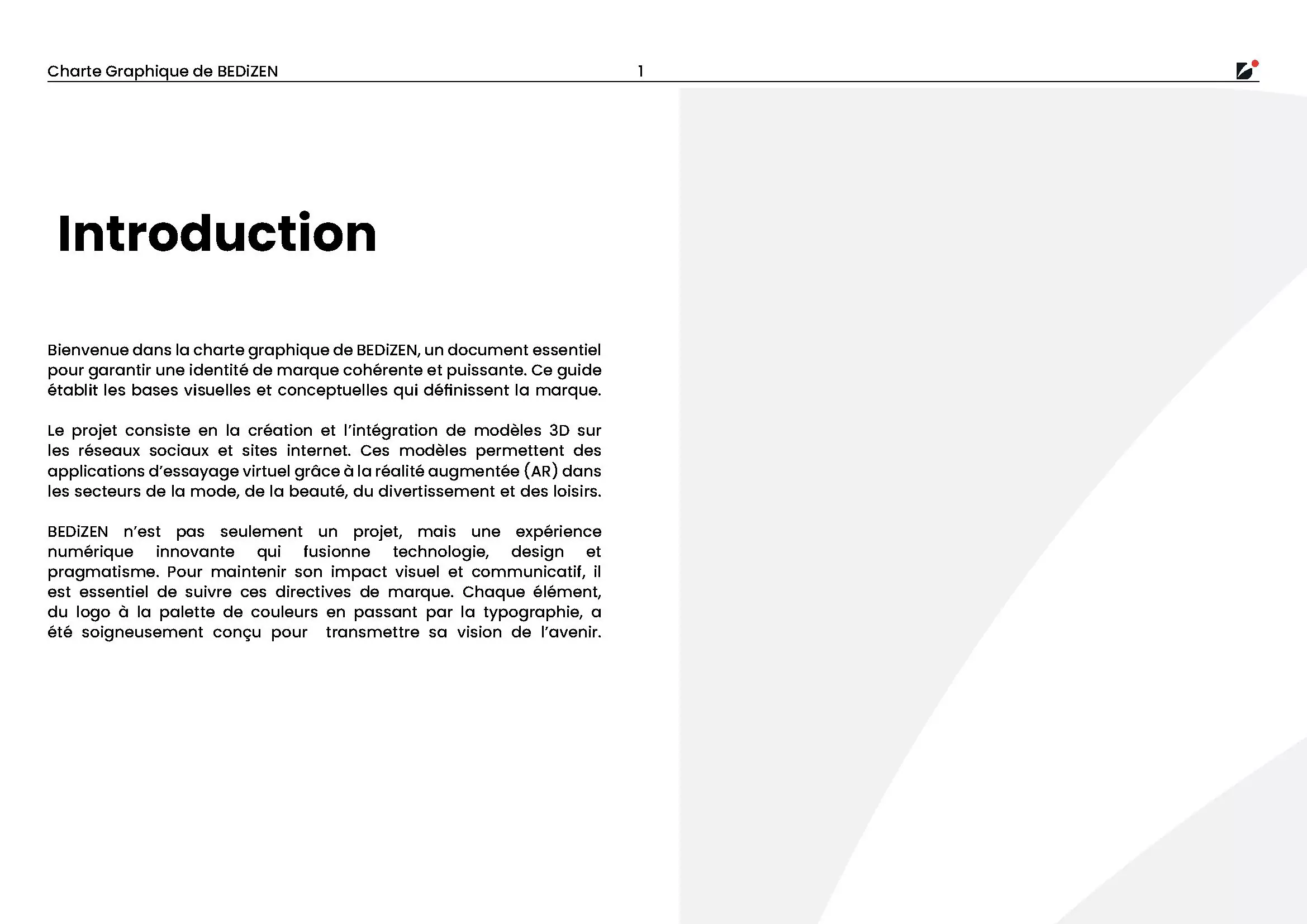
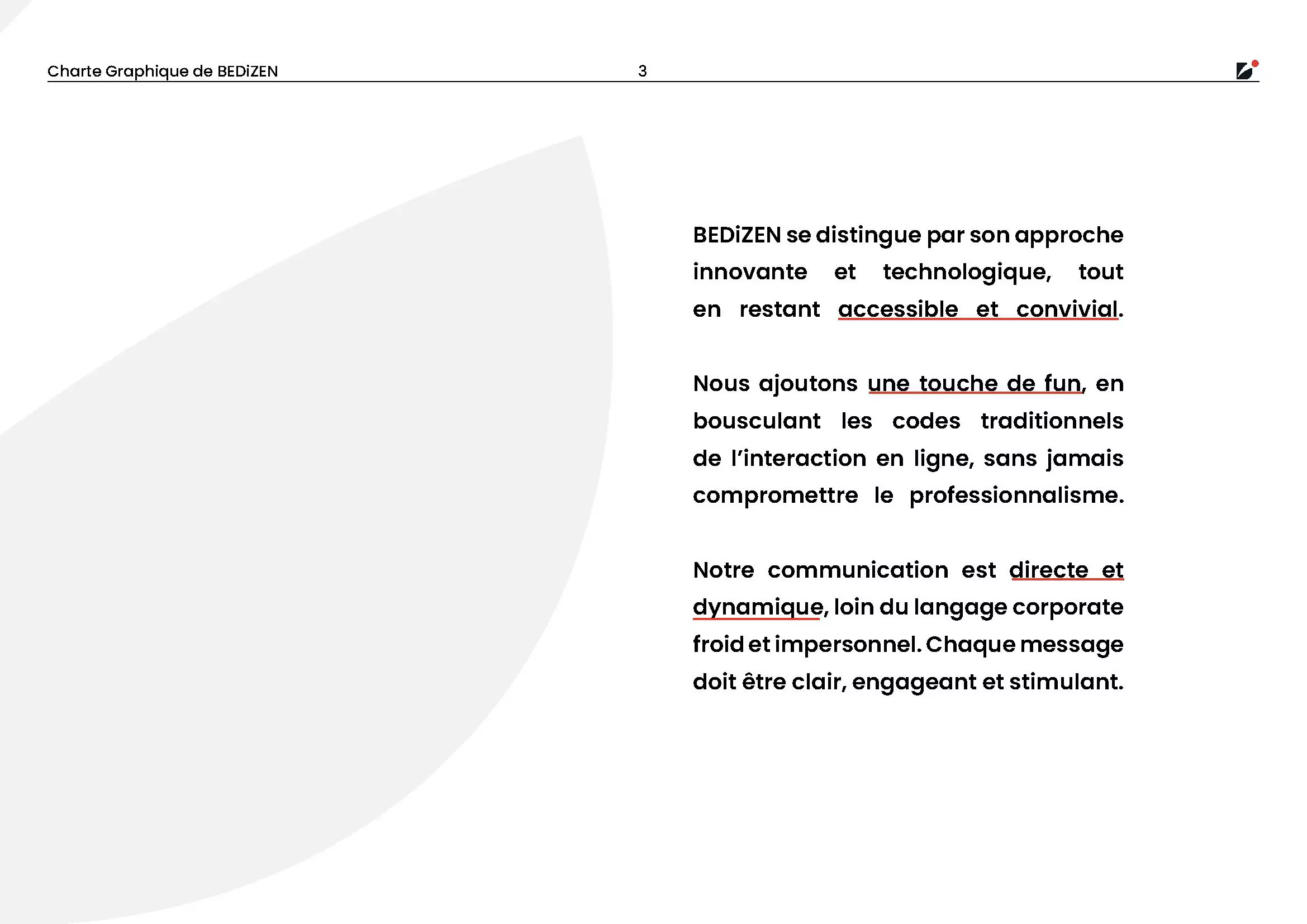
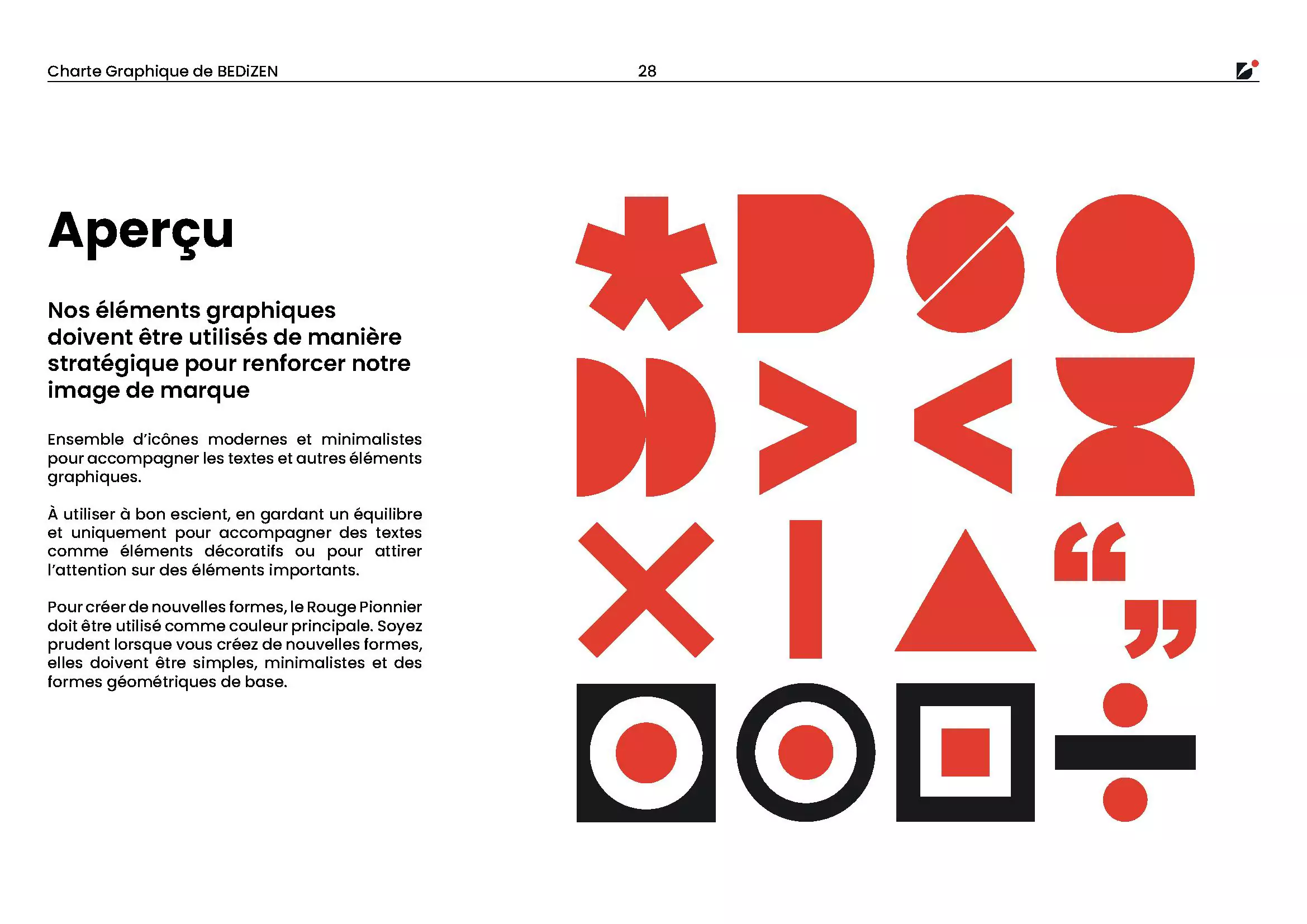
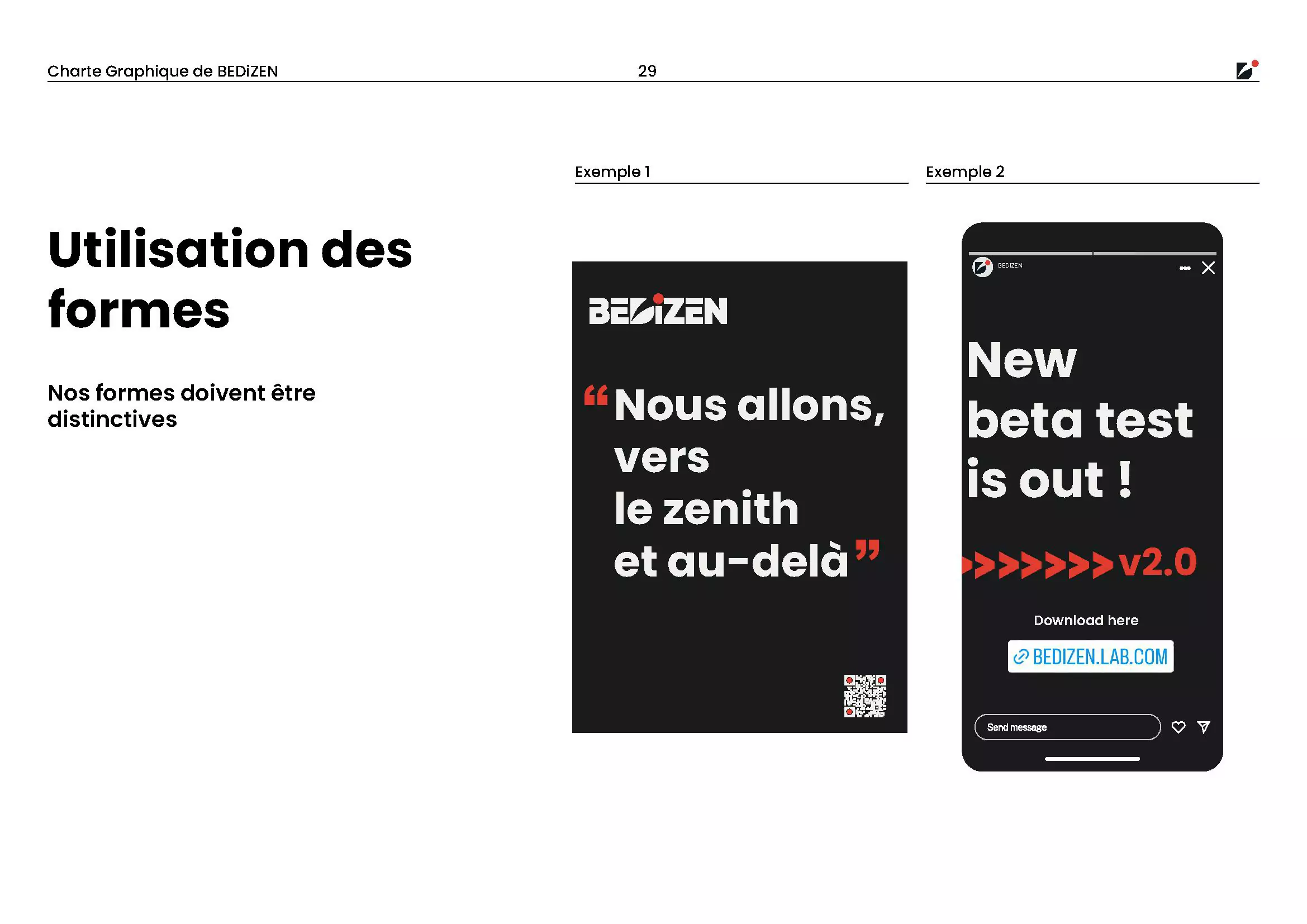
Brand Guidelines
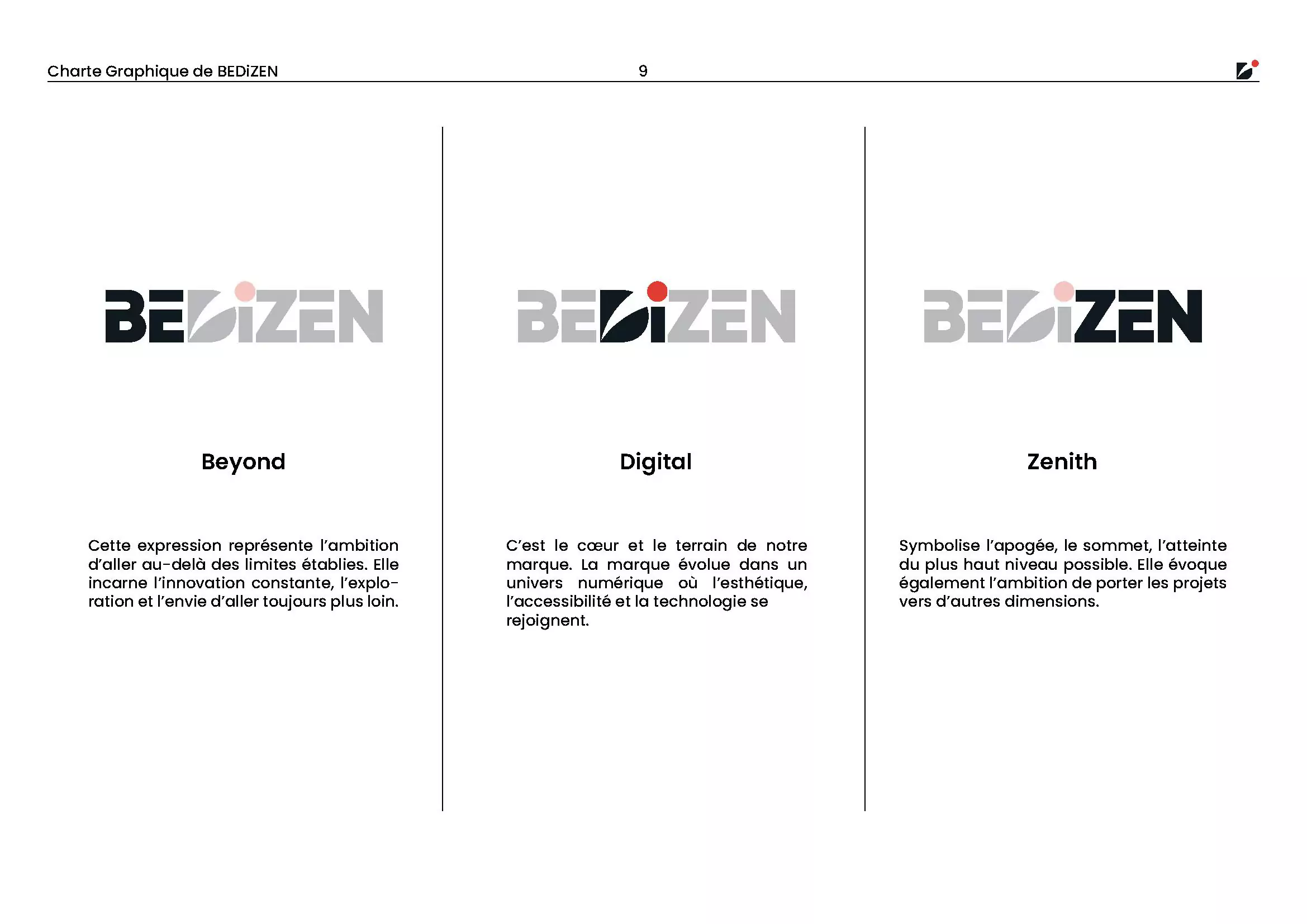
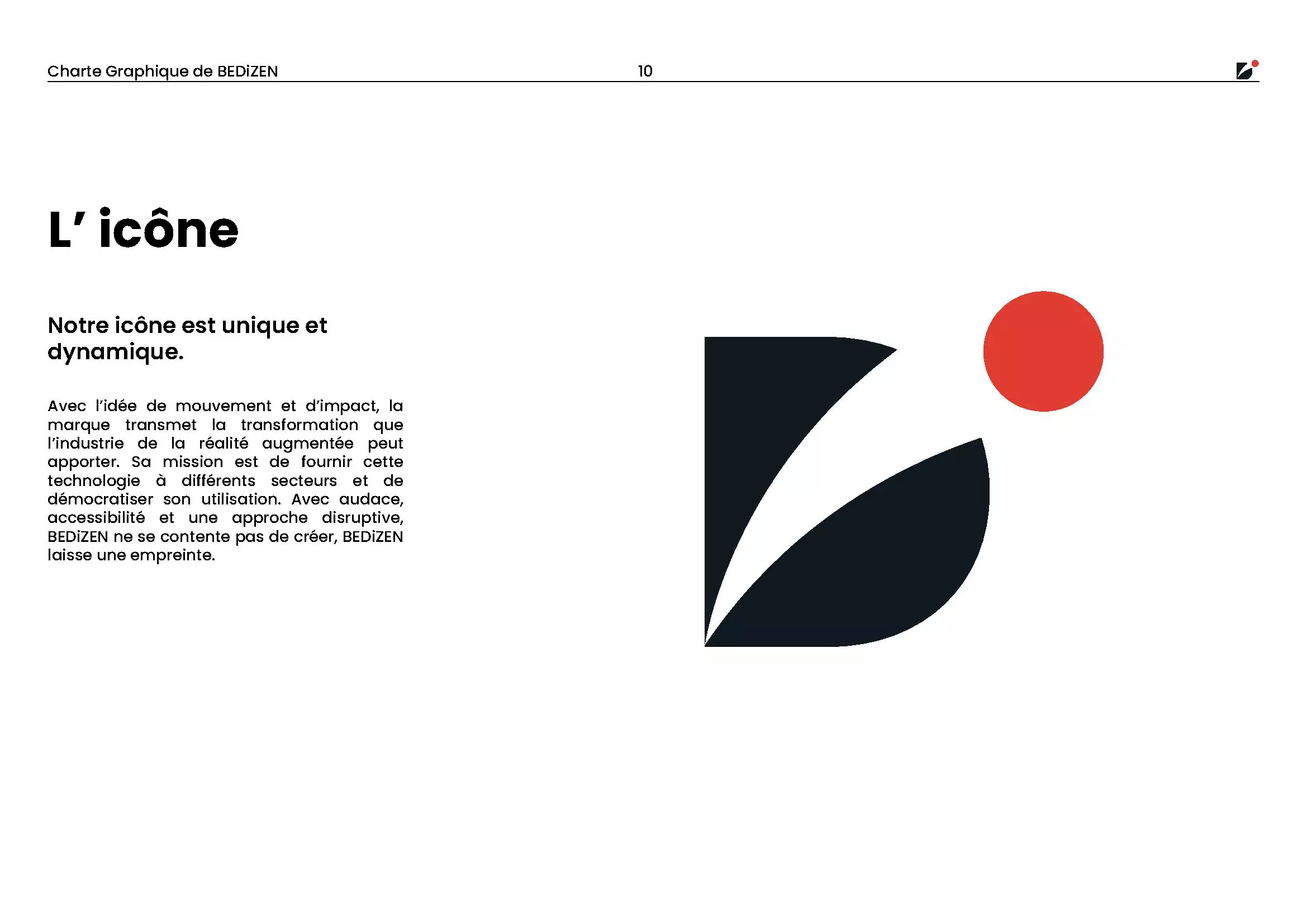
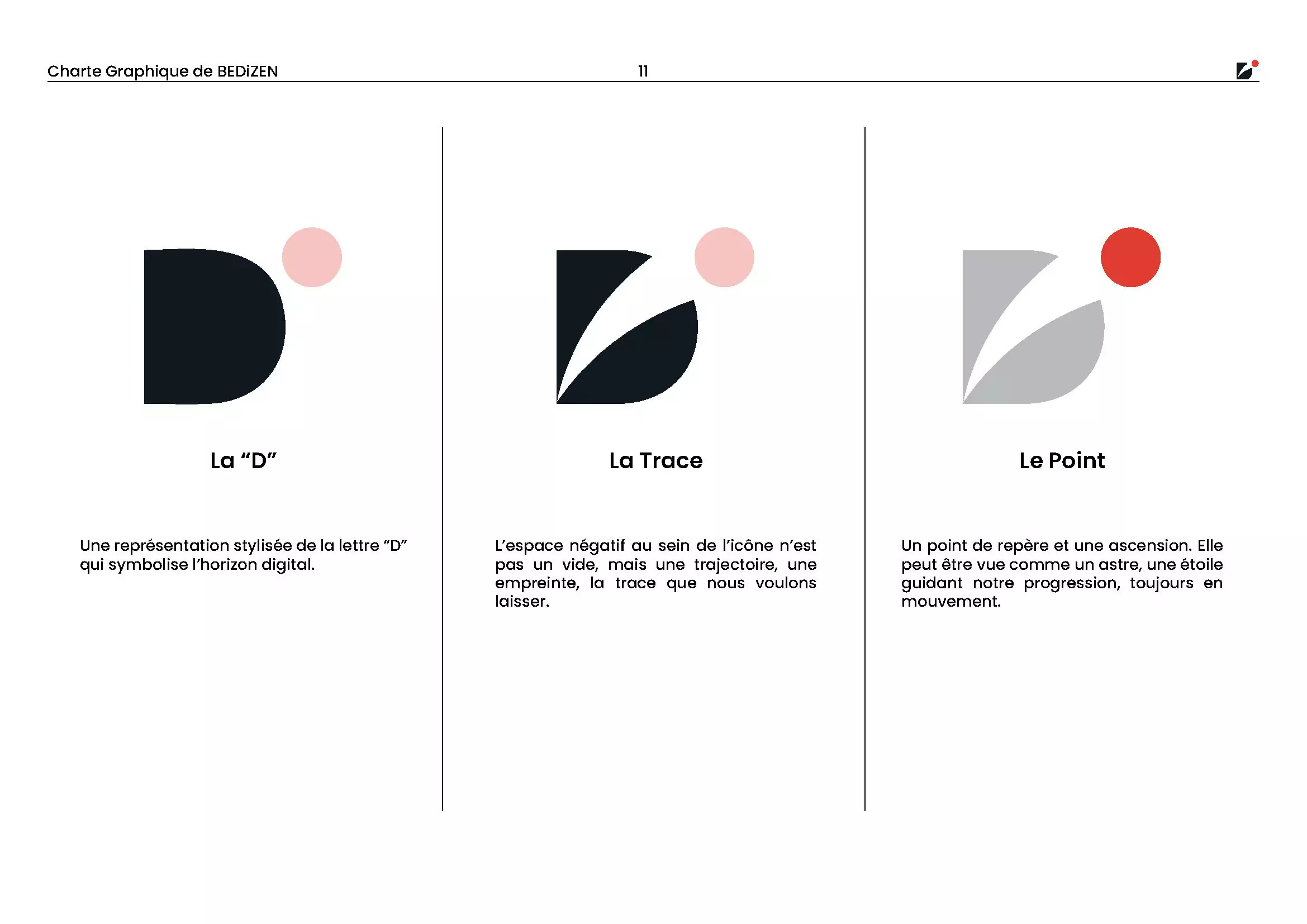
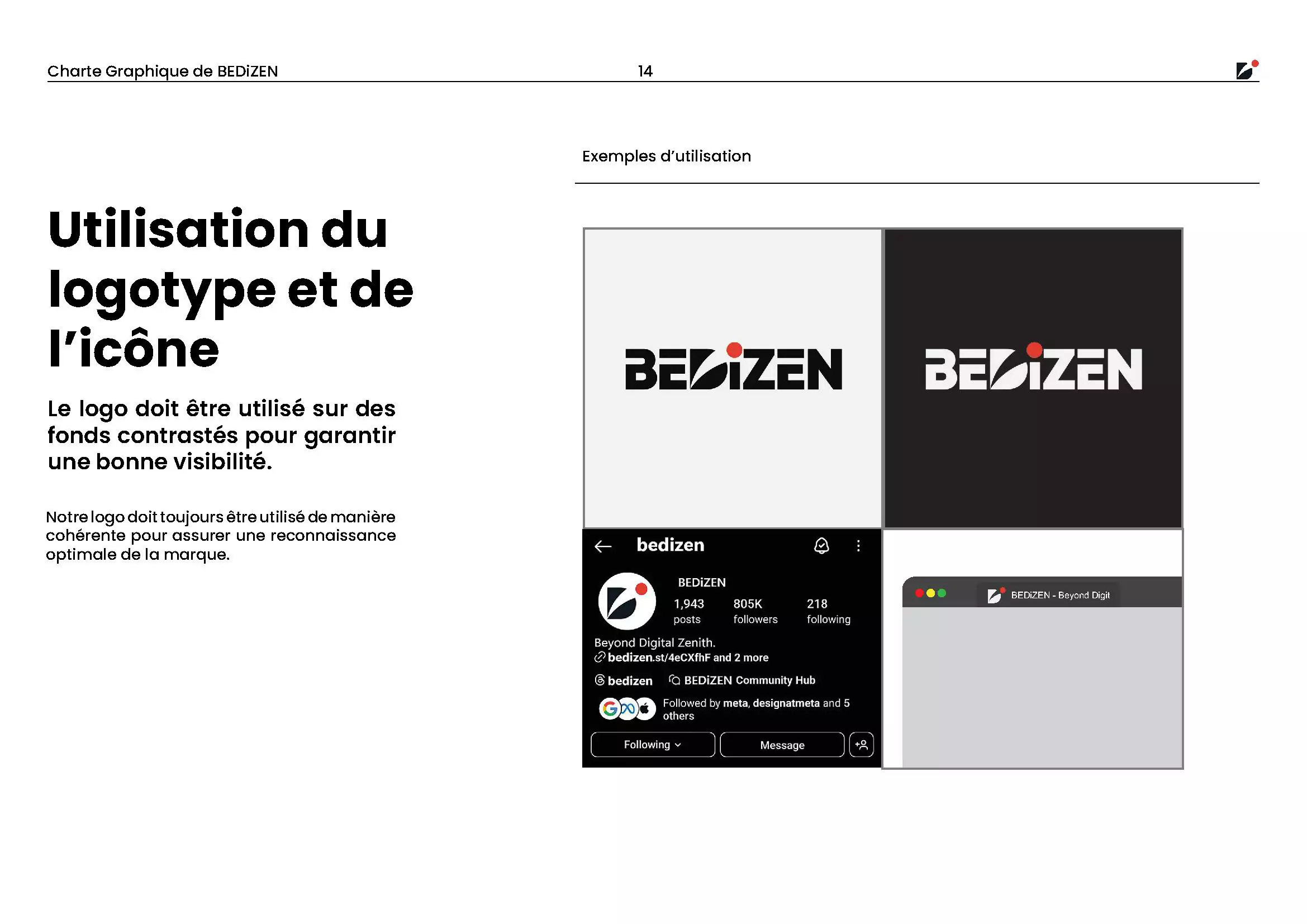
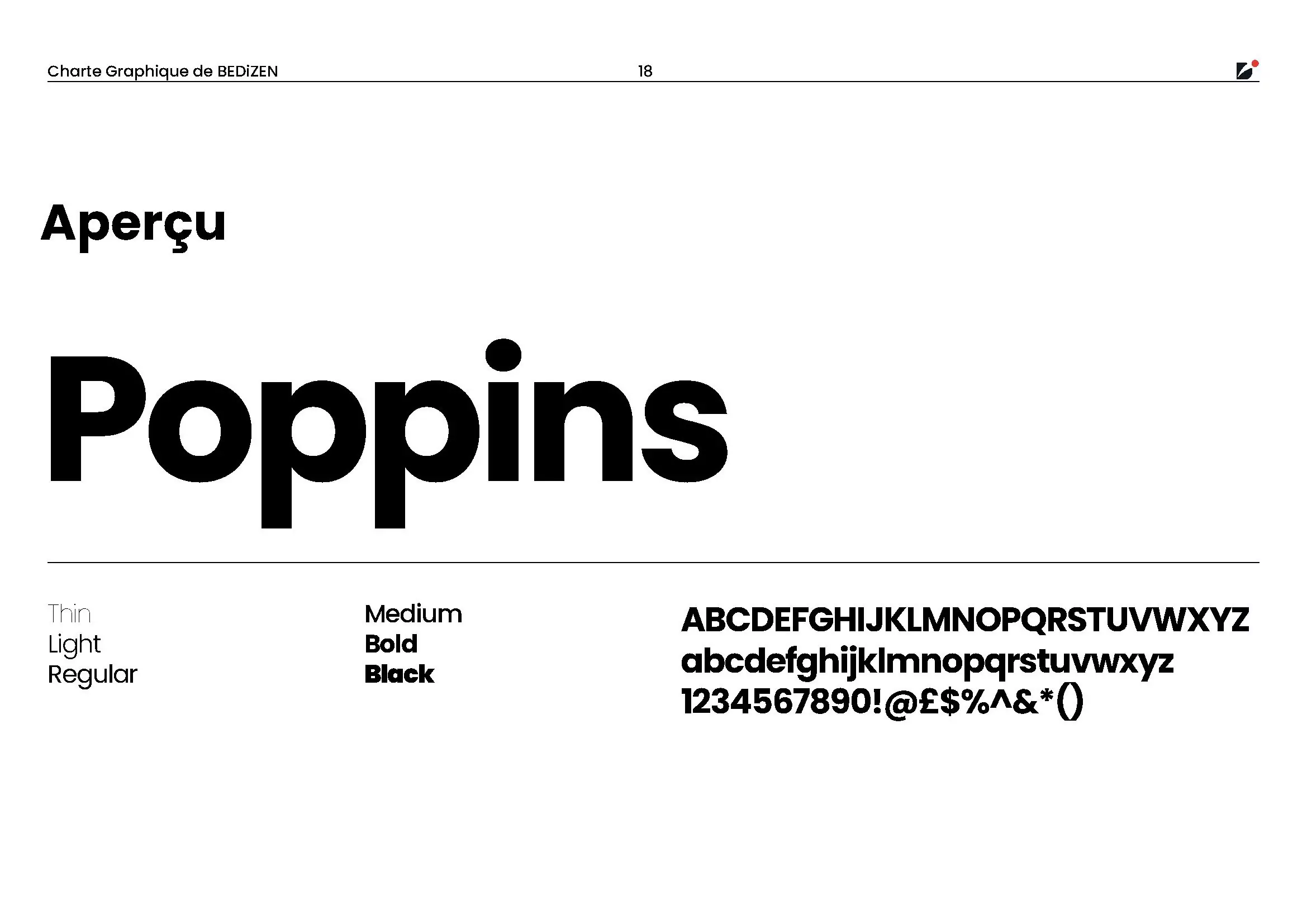
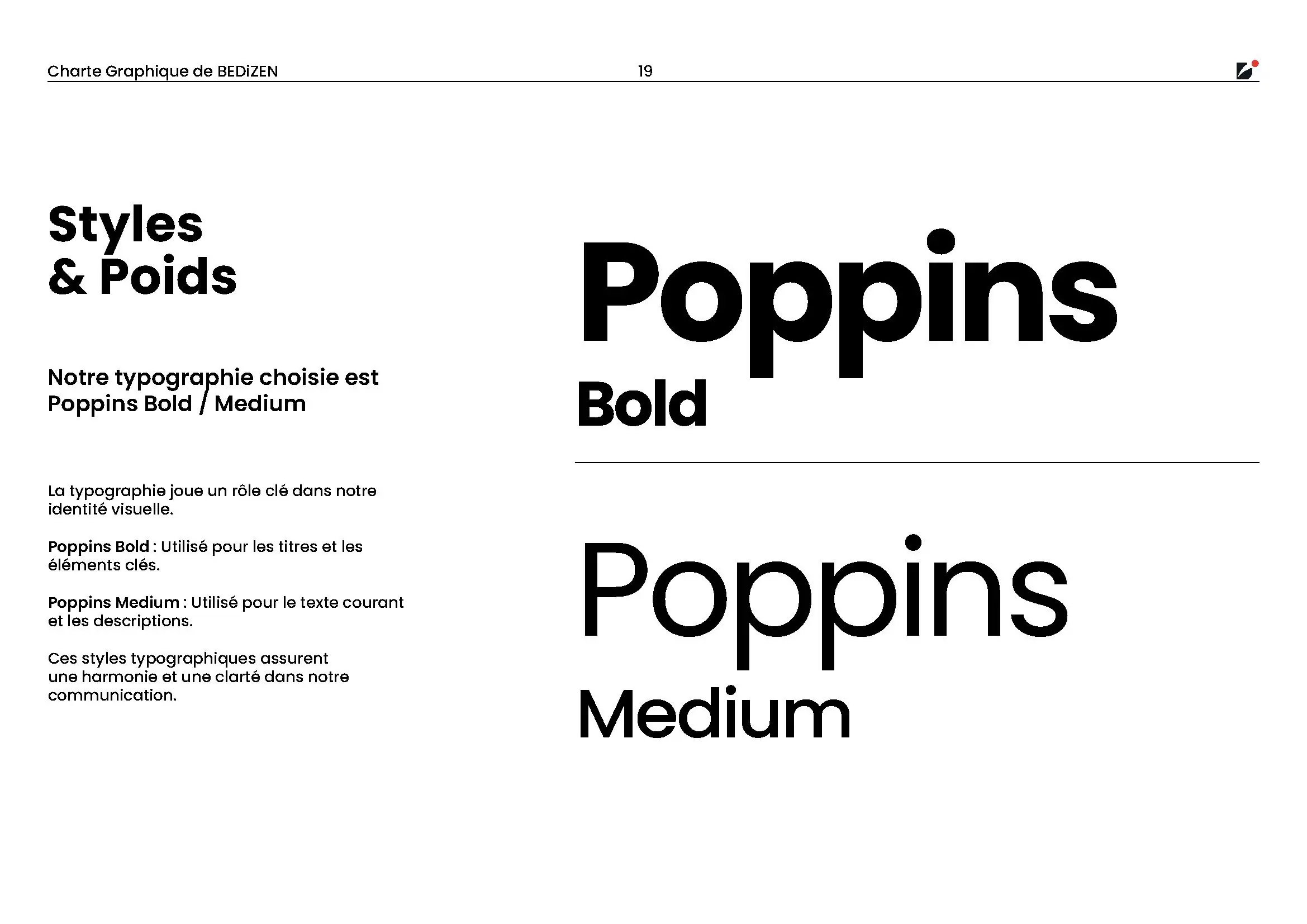
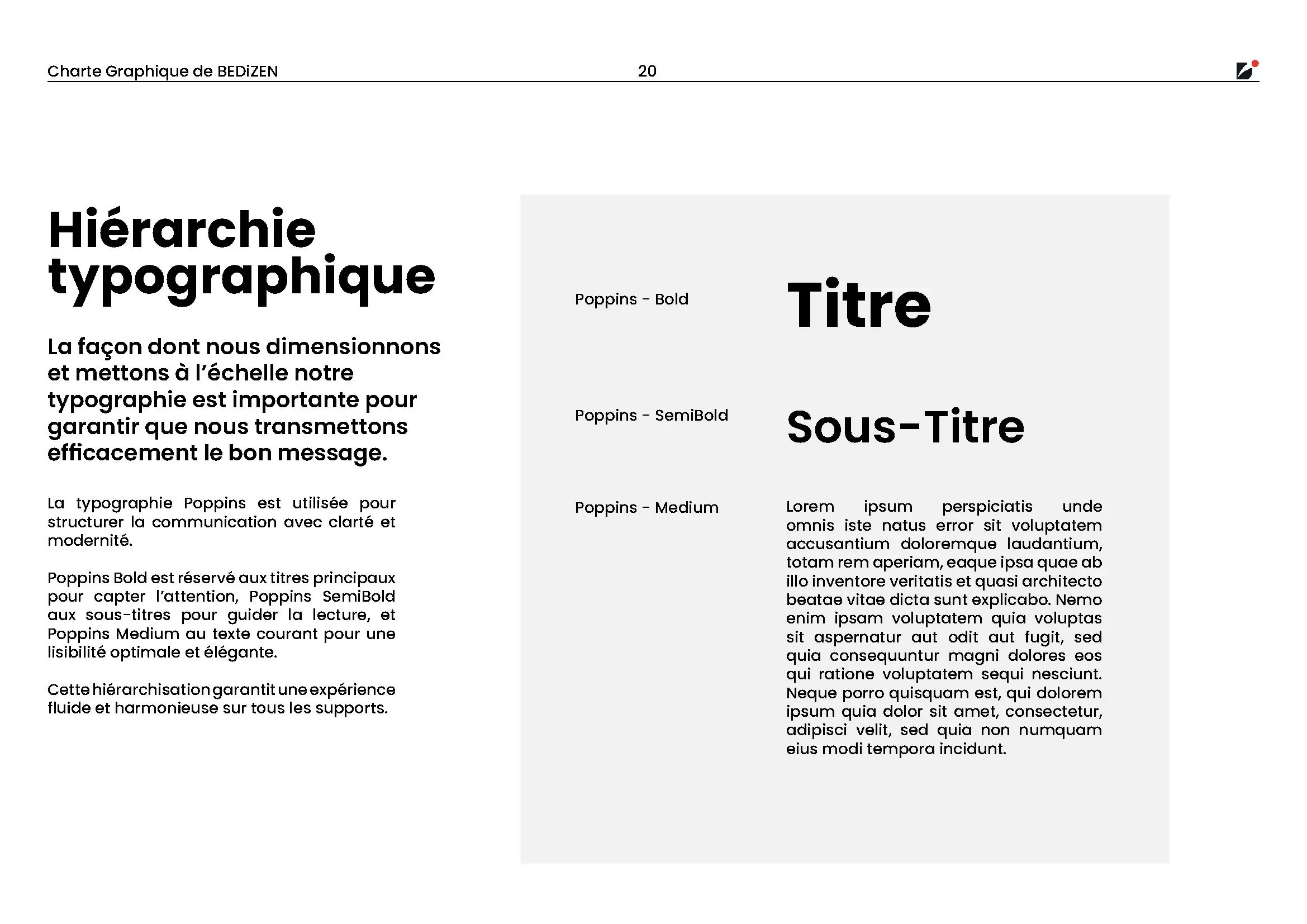
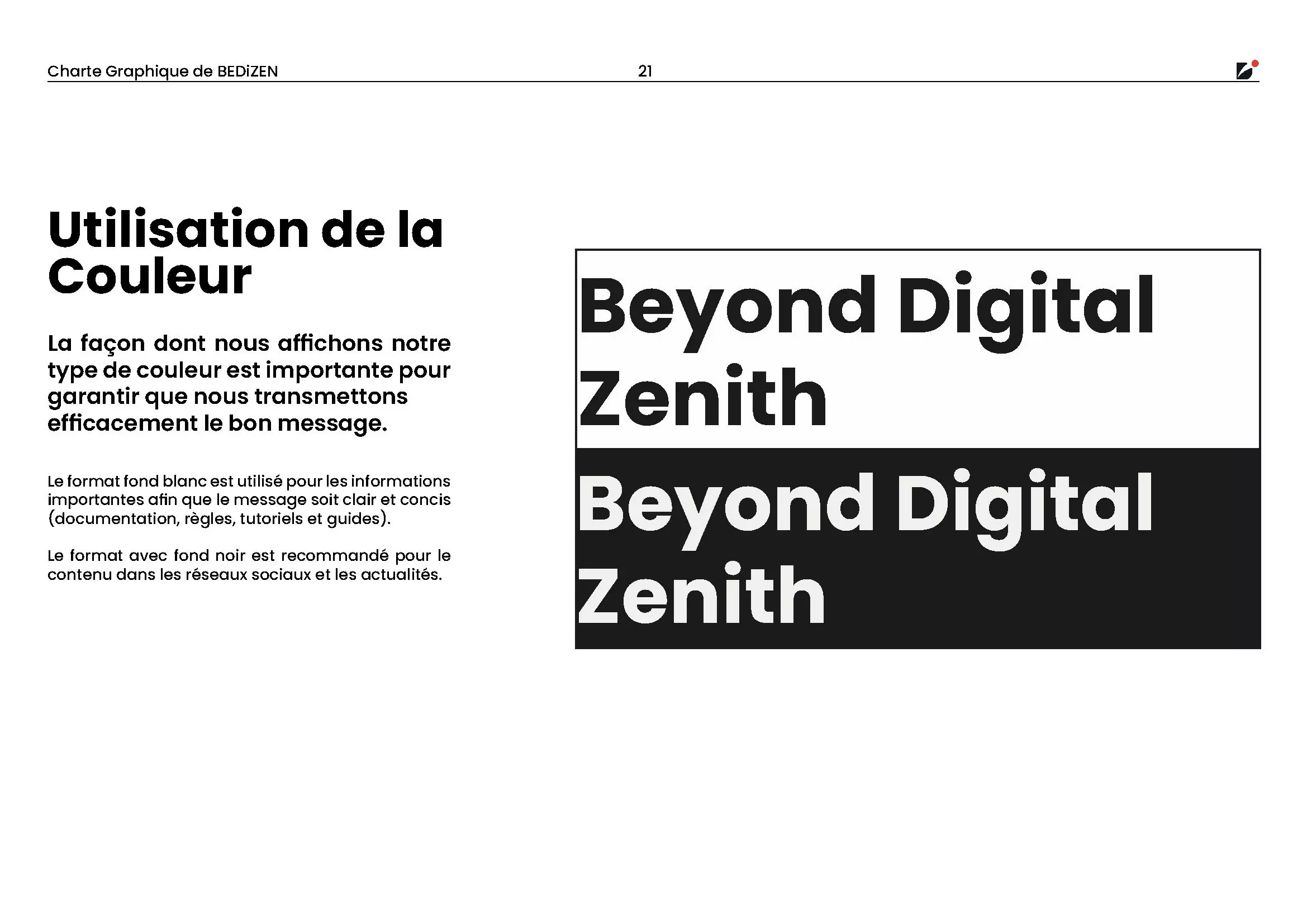
The full brand guidelines I wrote for BEDiZEN:

Project Gallery
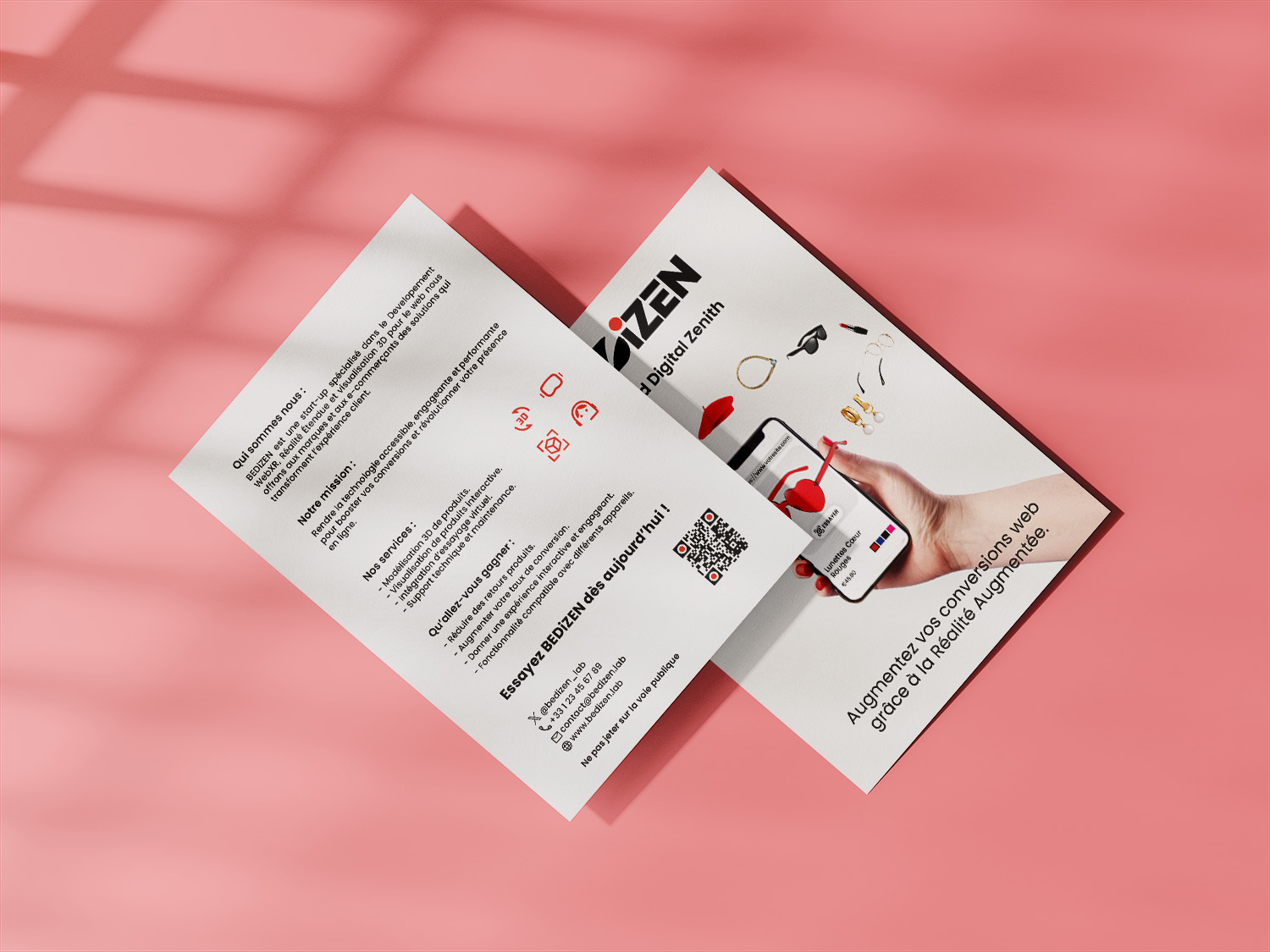
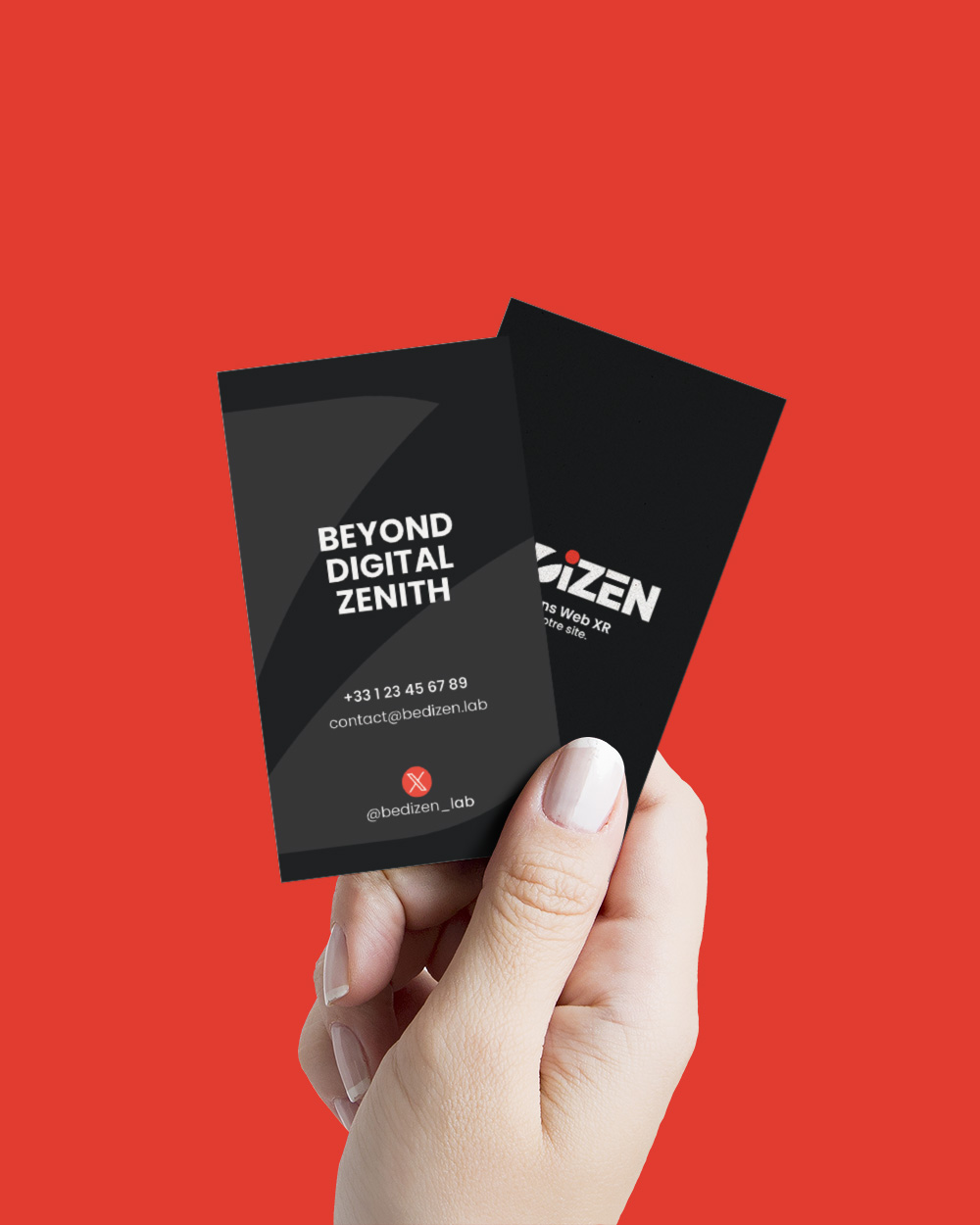
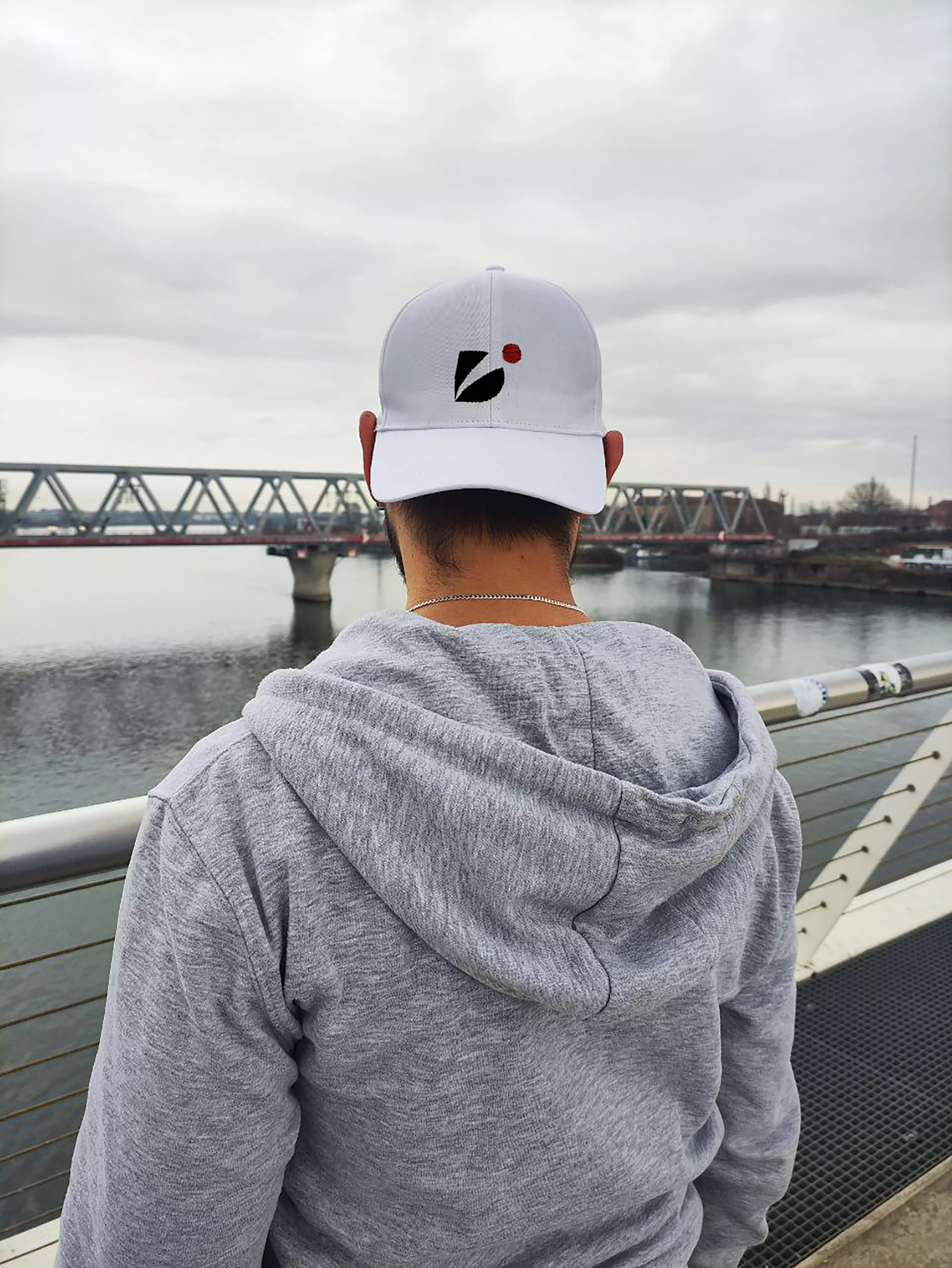
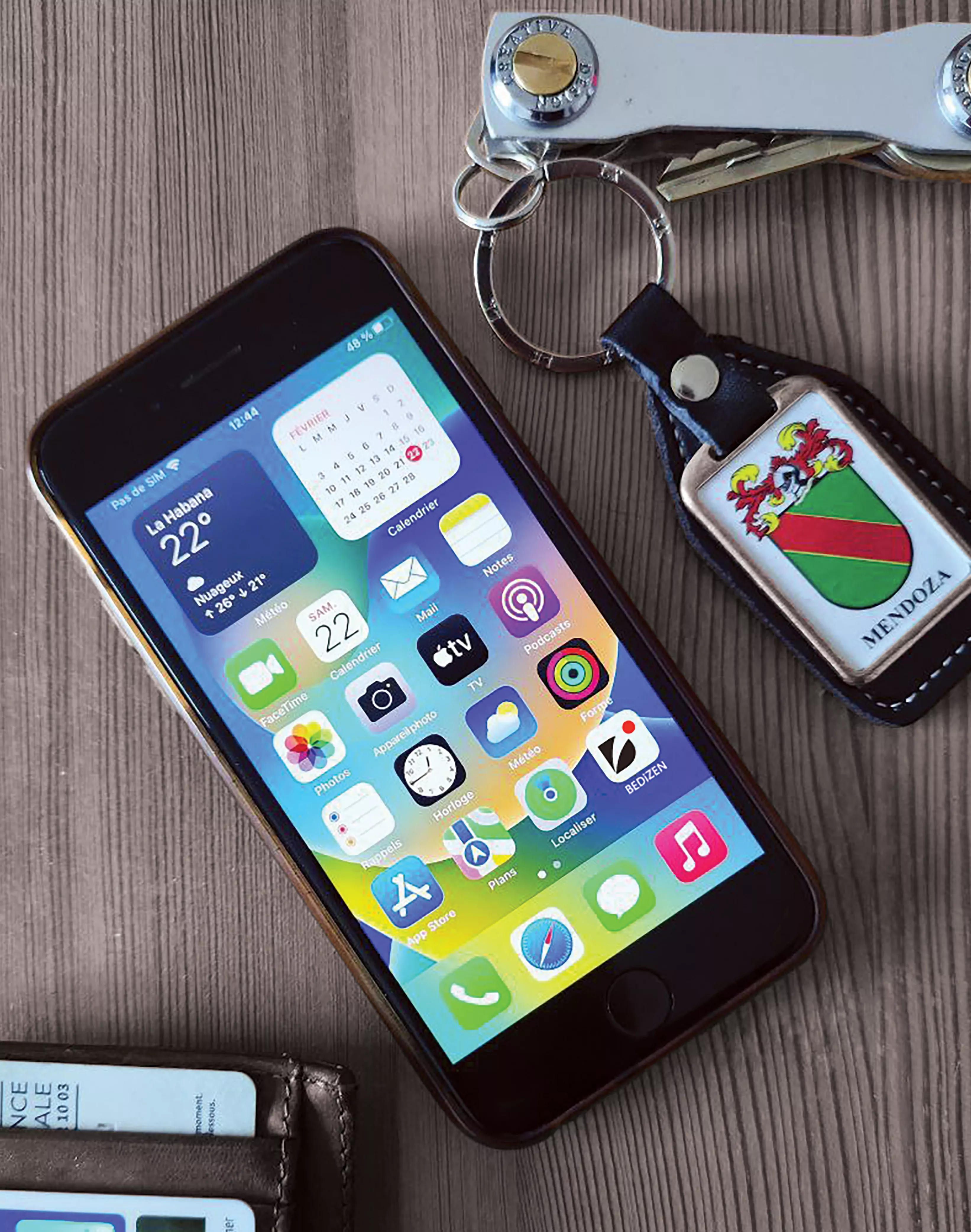
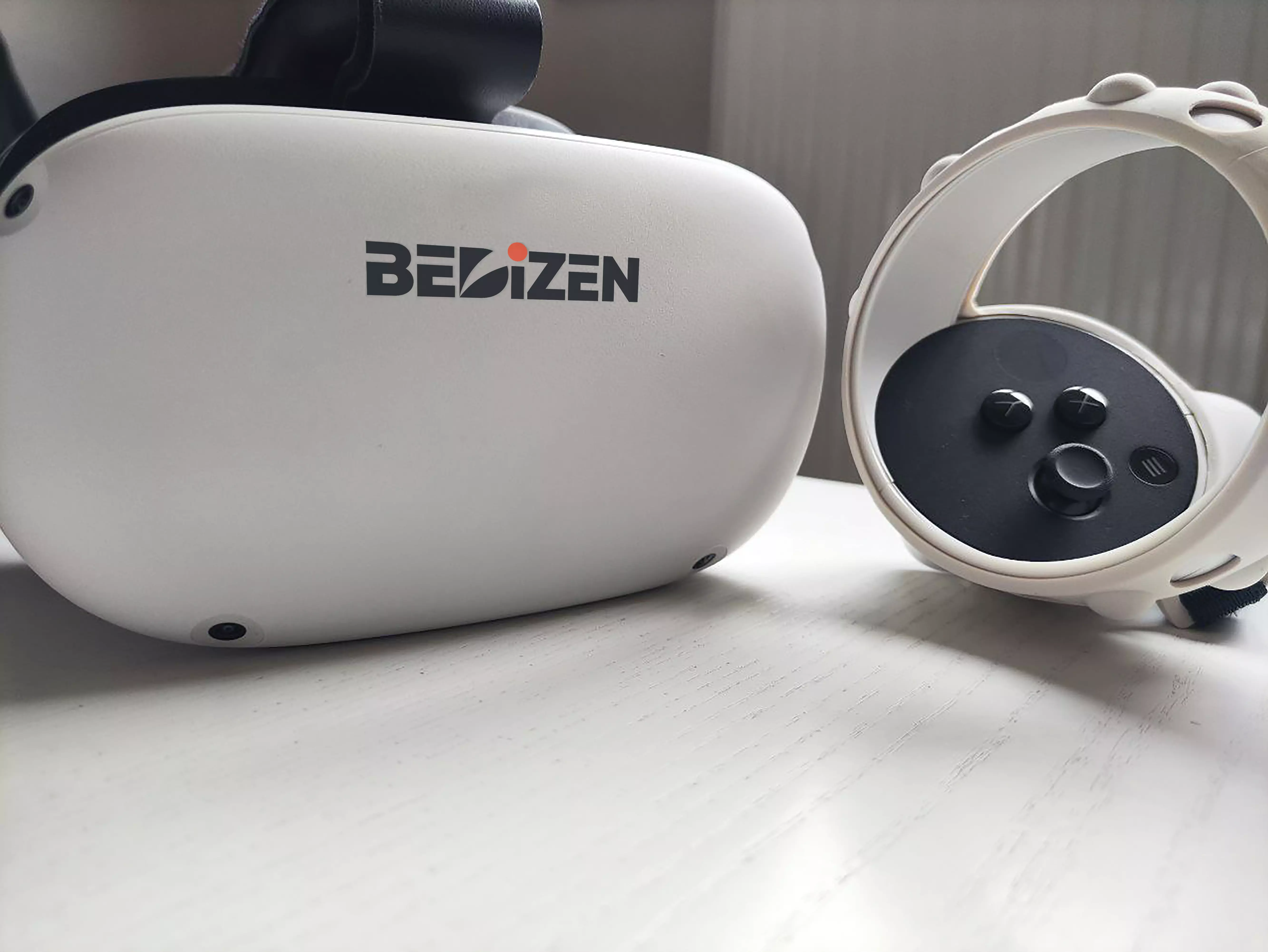
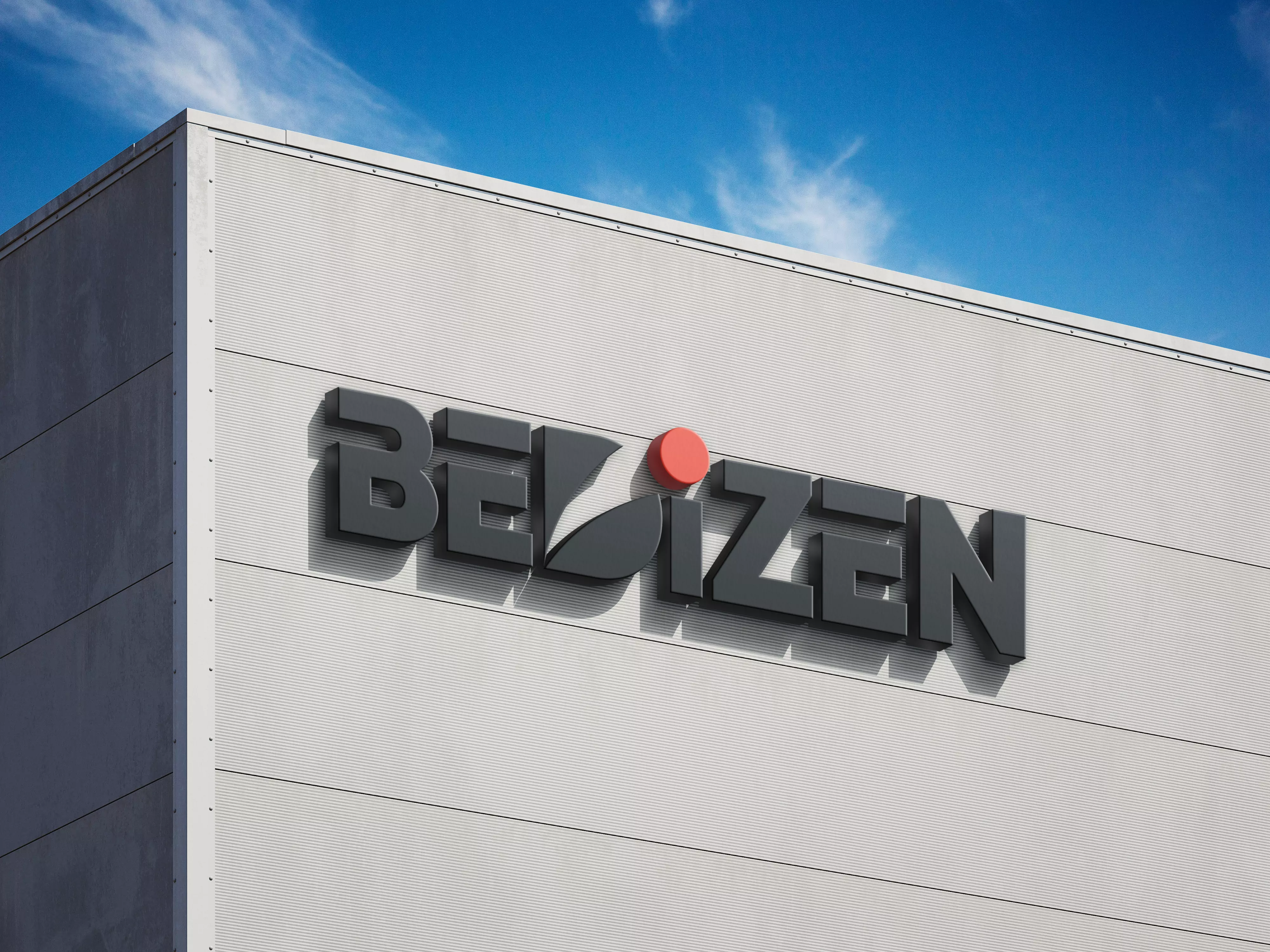
Mockups of the BEDiZEN brand in use.